When buyers search for a reliable machine, the cat vs komatsu excavator debate comes up again and again. Both brands dominate the global market. Both build tough, long-lasting machines. But they have real differences — and the right choice depends on your job site, budget, and support network. This guide breaks it all down so you can decide with confidence.

Caterpillar vs Komatsu
Caterpillar (CAT) was founded in 1925 in the United States. It is the world’s largest construction equipment manufacturer. Komatsu was founded in 1921 in Japan and ranks as the world’s second-largest. Together, they hold more than 40% of the global excavator market.
CAT is known for its dealer network, strong resale value, and operator comfort. Komatsu is known for fuel efficiency, competitive pricing, and advanced hydraulic technology. Both brands serve buyers across Latin America, the Middle East, Africa, and Southeast Asia.
Model Lineup: Mini → Mid → Large
Here is a side-by-side look at how the two brands compare across size classes. This cat vs komatsu excavator comparison covers the most common models in the used export market:
| Size Class | CAT Model | Komatsu Model |
|---|---|---|
| Mini (1–6 t) | CAT 301–308 | PC26–PC55 |
| Mid (15–25 t) | CAT 320 | Komatsu PC200 |
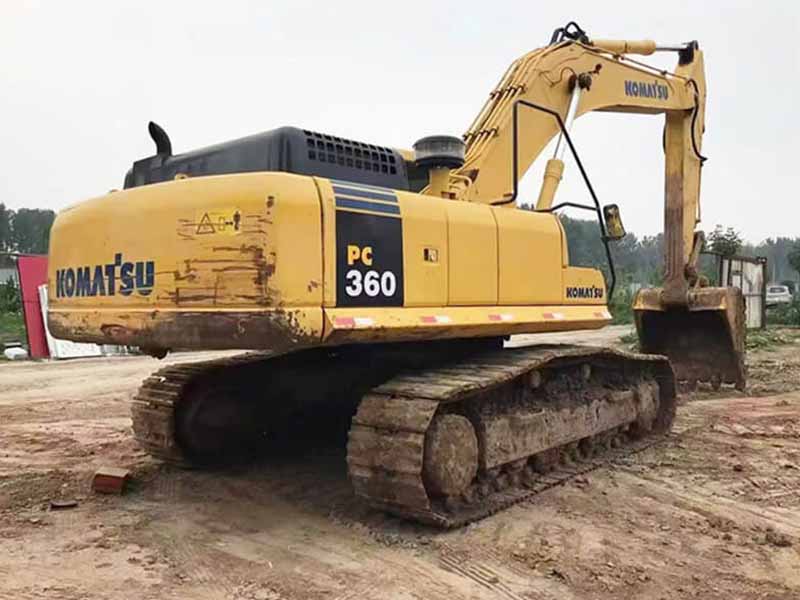
| Large (30–40 t) | CAT 336 | Komatsu PC360 |

Performance & Fuel Efficiency
Komatsu machines are consistently rated for lower fuel consumption. The PC200-8 and PC360-11, for example, use Komatsu’s Hybrid or KDPF systems to cut fuel burn by 10–20% in some conditions. This matters a lot for buyers who run machines on long shifts in high-cost fuel markets.
CAT machines, on the other hand, deliver strong breakout force and a smoother operator experience. The CAT 320 and 336 models use the Next Generation cab design, which reduces fatigue on long work days. CAT’s GRADE technology also helps operators move more material per hour with less rework.
For raw productivity on tough material, CAT often edges ahead. For fuel cost over time, Komatsu is the stronger choice.
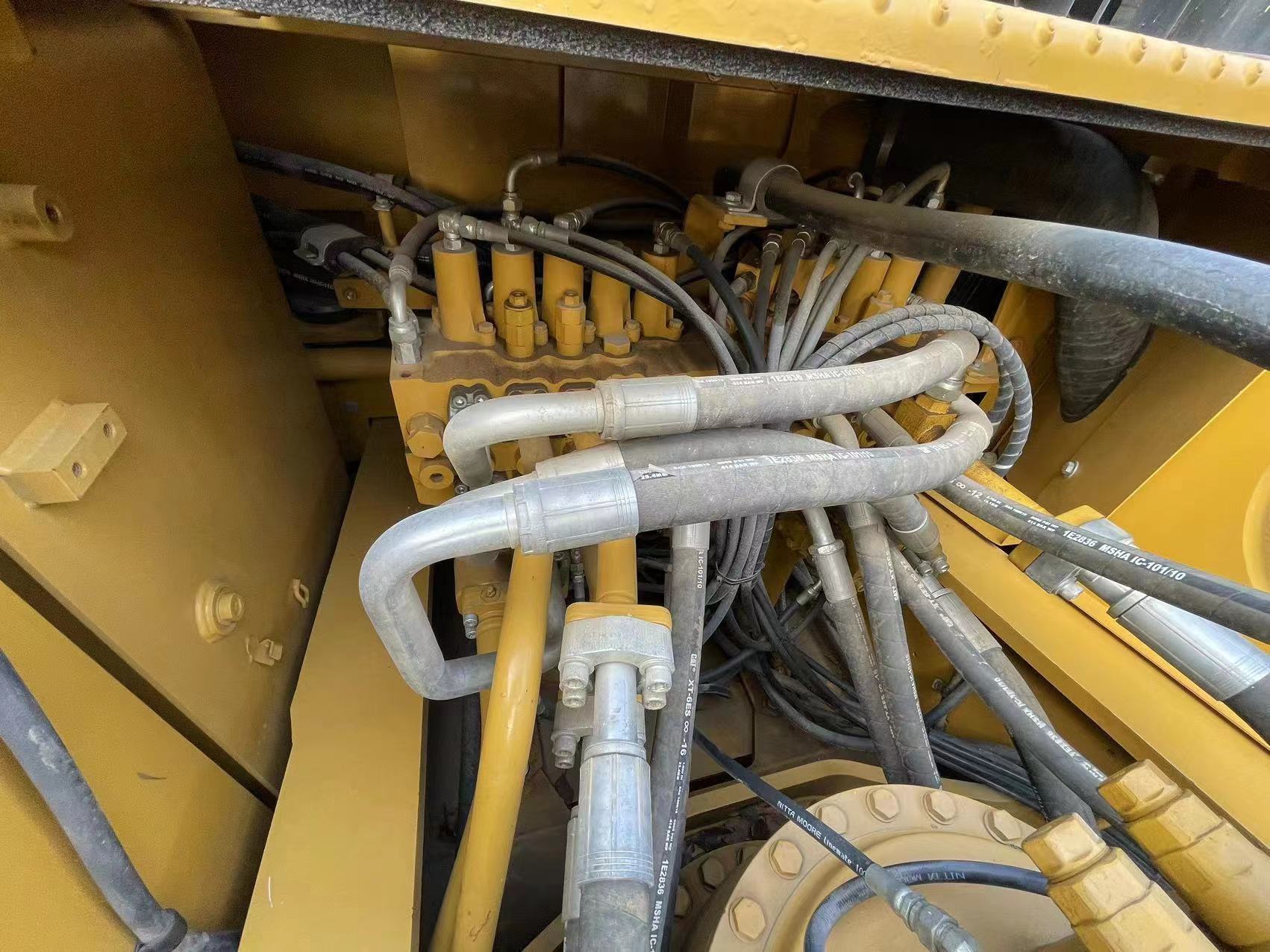
Durability, Reliability & Resale Value
Both brands are built to last. Used units with 10,000–15,000 hours are common in the export market. That said, there are differences.
CAT machines tend to hold higher resale value globally. A well-maintained CAT 320 or 336 sells faster and at a higher price in most used equipment markets. This makes CAT a better choice if you plan to resell the machine within 3–5 years.
Komatsu machines are slightly less expensive on the used market, but they are still highly regarded for reliability. Their undercarriage components and boom cylinders are known to last long with proper maintenance.
Parts Availability & Dealer Network
This is where the two brands differ most for export buyers. CAT has a broader dealer network in Latin America and the Middle East. In countries like Mexico, Brazil, Colombia, and the UAE, CAT dealers offer fast parts delivery and certified service centers.
Komatsu’s network is strong in Asia, but thinner in some parts of Africa and Latin America. Third-party parts for Komatsu are widely available and often cheaper, but quality varies. If you are operating in a remote region with limited dealer access, CAT’s supply chain is the safer bet.

Price & Total Cost of Ownership
In the used market, Komatsu machines are typically priced 10–20% lower than equivalent CAT models. For buyers on a tight budget, this makes Komatsu attractive. However, total cost of ownership (TCO) tells a fuller story.
CAT’s higher resale value and wider dealer support can offset the higher purchase price over a 5-year cycle. Komatsu’s fuel savings and lower parts costs can also reduce TCO significantly in high-utilization scenarios.
Verdict: Which Should You Choose?
The right answer depends on your priorities. Use this quick decision guide:
| Priority | Choose |
|---|---|
| Higher resale value | CAT |
| Lower fuel costs | Komatsu |
| Strong dealer support (LatAm/Middle East) | CAT |
| Lower purchase price | Komatsu |
| Long-term reliability | Either |

Frequently Asked Questions
Q1: Which is better, CAT or Komatsu excavator?
— Neither brand is objectively better. CAT leads in resale value and dealer support. Komatsu leads in fuel efficiency and purchase price. The best choice depends on your budget, location, and how long you plan to keep the machine.
Q2: Is Caterpillar more expensive than Komatsu?
— Yes, in most markets CAT machines cost 10–20% more than comparable Komatsu models, both new and used. However, CAT’s stronger resale value can close that gap over time.
Q3: Which has better resale value, CAT or Komatsu?
— CAT consistently holds higher resale value in global used equipment markets. When comparing komatsu vs cat excavator resale data, CAT models typically sell faster and at higher prices.
Q4: Are Komatsu parts cheaper than CAT parts?
— Generally yes. Komatsu OEM parts are often priced lower than CAT equivalents, and third-party aftermarket parts are widely available. This can reduce maintenance costs over the machine’s life.
Q5: Which is better for the used export market, CAT or Komatsu?
— For export to Latin America and the Middle East, CAT is often preferred due to its dealer network and resale demand. Komatsu is a strong choice for Asia-Pacific and buyers prioritizing lower acquisition cost.