Modern infrastructure projects require precise and safe trench excavation. Success requires knowledge of construction trenching and excavation safety. In order to ensure soil stability in trenches and comply with trench excavation regulations, this article discusses five basic trench digging instruments. Key questions will be answered: What are trench excavation safety measures? How deep without shoring may a trench be? Yonggong also explain trenching vs. excavation, address risks, and share trench depth calculation methods. Learn how to succeed on your next project.

Necessary Construction Trench Excavation Tools
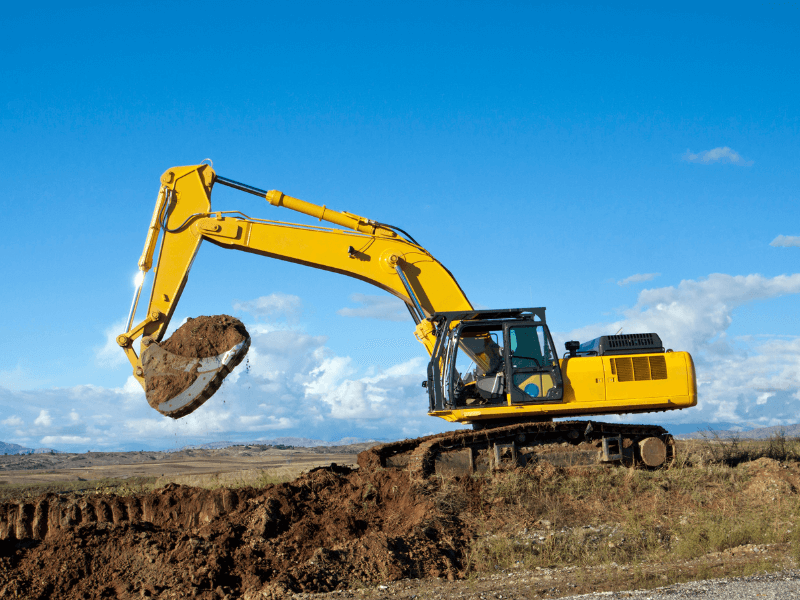
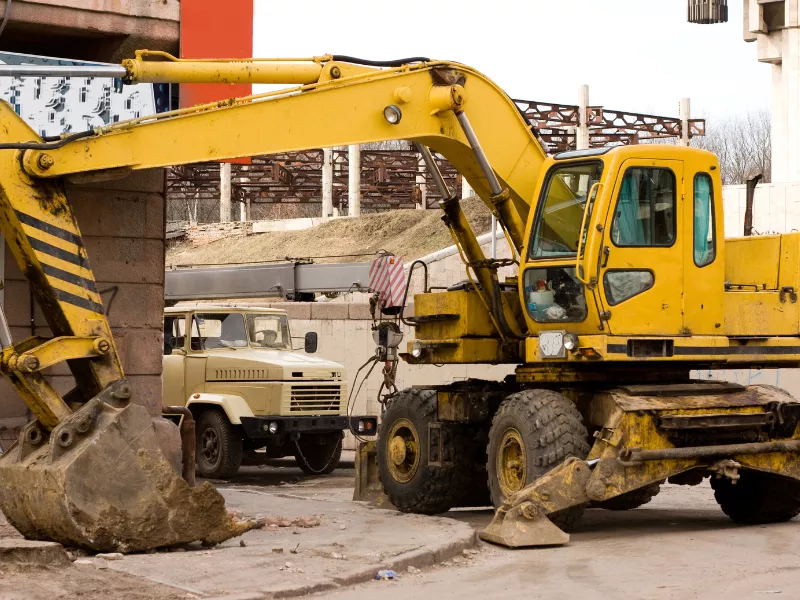
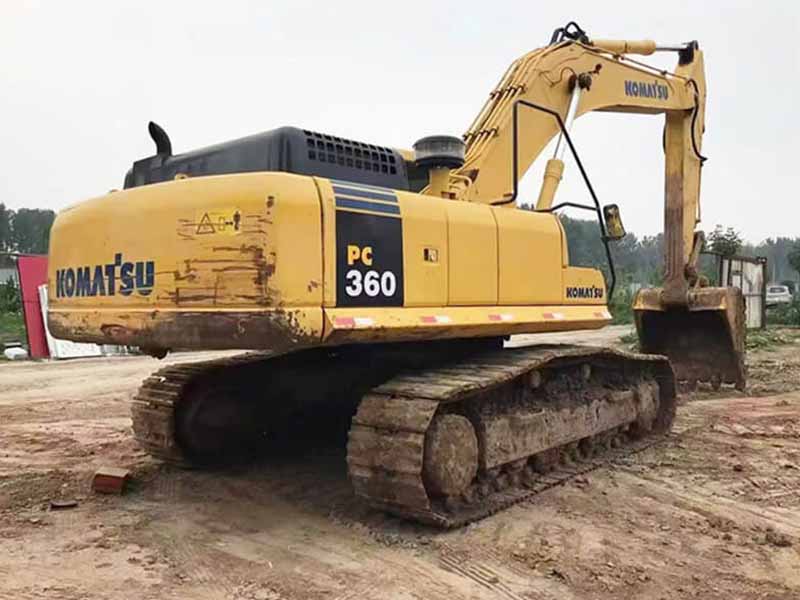
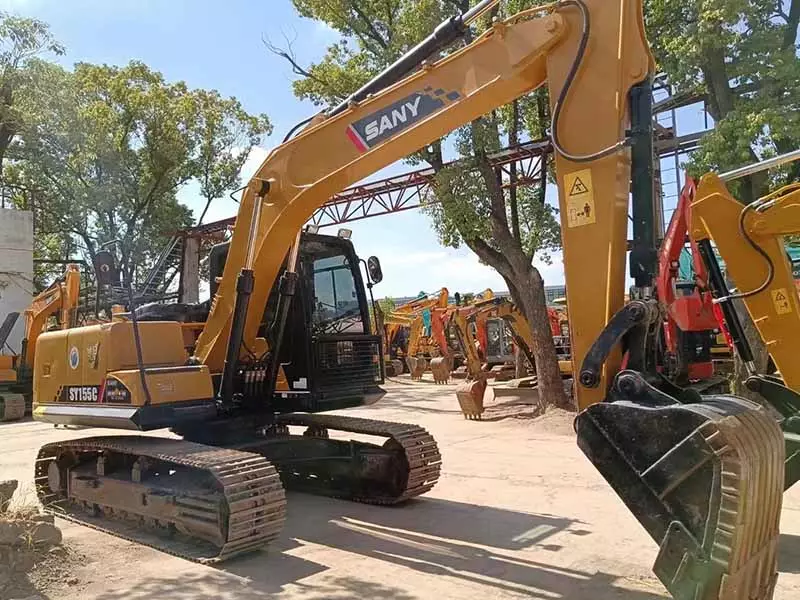
Precision and safety in trench excavation require the correct trench digging equipment. A trench box, is the first important gear for excavation safety. Next is the hydraulic excavator, necessary for trench depth calculation and soil removal. Precision trench depth and slope require laser levels, improving construction trenching precision. In unstable soil, trench walls need shoring devices for support. At last, trench shields protect workers from soil slips, reducing trench excavation hazards.
With these equipment, trench excavation in construction is safer and simpler. Contractors can maintain soil stability in trenches, ensure regulatory compliance, and optimize construction excavation techniques with the right trench shoring methods and equipment. These instruments expedite construction activities, decreasing accidents and improving throughput. Construction teams may achieve optimal performance and safety by following trench excavation safety tips and using the correct equipment, assuring project success.
Trench excavation safety
Trench excavation in construction must be done safely, therefore follow excavation safety advice. Perform rigorous site inspections to identify dangers and ensure all workers have PPE. Training on trench excavation safety tips is necessary, enabling workers to identify threats and respond correctly. Sloping, shoring, and sheltering can greatly prevent cave-ins. Regular trench monitoring, especially in bad weather, keeps project conditions constant and safe.
Trench excavation regulations must be understood locally and federally. Construction trenching companies must design and follow a safety plan. This involves clear team communication and a qualified safety compliance officer. Regular safety audits and drills reinforce standards and prepare team members for emergencies. These procedures and remaining current on trench excavation regulations help construction teams keep workers safe and complete projects.
Trenching vs. Excavation: Key Differences
General excavation and construction trench excavation have different aims and methods. Trench excavation creates narrow, deep channels for installing pipelines, wires, and drainage systems. To maintain alignment and depth, these trenches are usually deeper than wide and need precision construction trenching. Excavation removes vast amounts of earth to build foundations or landscapes. General excavation removes enormous amounts of earth, while trench excavation is linear and concentrated.
These processes provide distinct issues that require specialized construction excavation techniques to overcome. Trench excavation requires consideration to soil stability in trenches, frequently using trench shoring methods. This demands careful planning and often specialized trench digging equipment for safety and efficiency. However, general excavation must manage vast volumes of material, requiring efficient equipment and methods to avoid delays and cost overruns. Understanding these variations helps construction teams prepare for each process’s demands, assuring project safety and efficiency.
Common Trench Excavation Hazards and Solutions
Recognizing and mitigating typical dangers during trench excavation in construction ensures worker safety and site stability. Tight soil stability in trenches can cause cave-ins. Heavy machinery vibrations, weather, and poor trench wall slope increase this risk. Trench atmospheres can also include dangerous chemicals or low oxygen levels. Hazards linked with trench excavation include equipment accidents and falling loads.
Implementing trench excavation safety tips and practices reduces these dangers. Using suitable trench shoring methods, such as trench boxes and hydraulic beaches, prevents collapses. Workers are protected from trench air pollution by regular monitoring and testing. Clear communication and safety protocols, including protective gear, improve worker safety. Ensuring all staff be trained in emergency response can also mitigate mishaps. Construction crews can reduce excavation hazards by following these safety procedures.

Mastering safety and precision in trench excavation is important for the success of modern infrastructure projects. For those looking to equip their projects with reliable machinery, consider investing in a used excavator from Yonggong. As a professional supplier, Yonggong offers a comprehensive range of high-quality used excavators tailored to meet diverse construction needs. Choose us to support your project goals with dependable and efficient excavation equipment.
Follow Us On Youtube.
Related Posts:
Shoring excavation Systems Guide For You To Know