Choose Tier 2 mechanical injection for remote mines with bad fuel. The Komatsu PC200-7 tolerates high-sulfur diesel (>500 ppm) and water contamination without ECU shutdown. Choose Tier 3/4 common rail, such as the PC200-8 or CAT 320D, only when you have a clean, filtered fuel supply. Common rail saves 12–15% on fuel costs. However, a single dirty-fuel event triggers $3,000+ in injector repairs. Browse our full range of 20-ton excavators for sale to compare both engine options side by side.

Core Technical Matrix: Mechanical Pump vs. Common Rail
These two systems differ dramatically in pressure, precision, and field tolerance.
| Spec | Tier 2 Mechanical | Tier 3/4 Common Rail |
|---|---|---|
| Injection pressure | 25–35 MPa | 160–200 MPa |
| Injector orifice | 0.28–0.35 mm | 0.10–0.12 mm |
| Control method | Mechanical governor | ECM multi-stage micro-injection |
| Sulfur tolerance | Up to 2,500 ppm | <500 ppm required |
| Fuel consumption | 15.5–16.0 L/hr | 13.8–14.5 L/hr |
| Injector replacement cost | $80–120 | $400–650 |

Komatsu Case Study: PC200-7 (SAA6D102) vs. PC200-8 (SAA6D107E)
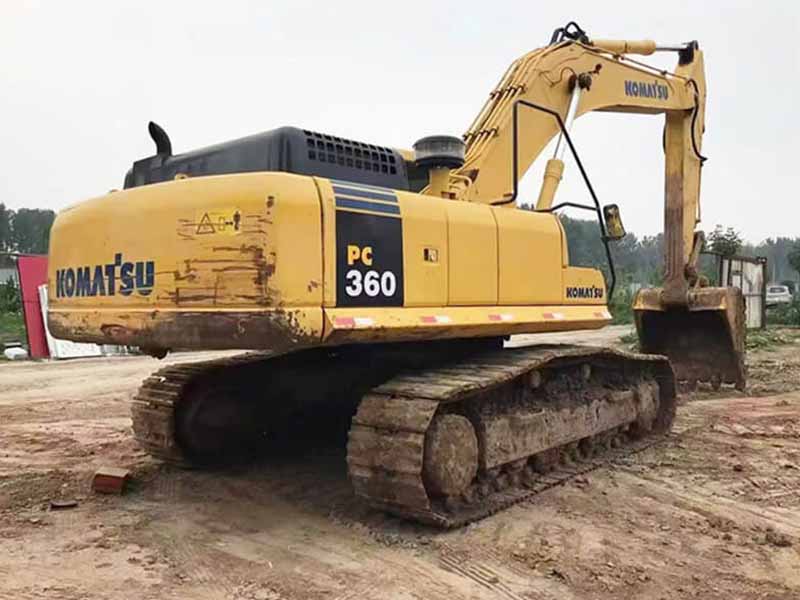
The PC200-7 runs a mechanical in-line injection pump. Field mechanics calibrate it using basic hand tools, no laptop, no diagnostic cable, and no dealer visit needed. Consequently, operators across Nigeria, Congo, and Bolivia keep these machines running for years in extreme conditions.
The used Komatsu PC200-7 excavator earns its legendary reputation in deep bush operations. Its wide injector orifices handle contaminated drum fuel without seizing, even at sulfur levels above 1,000 ppm.
In contrast, the used Komatsu PC200-8 excavator features the SAA6D107E common rail engine. It delivers smooth multi-stage injection and burns fuel 12% more efficiently. However, it demands clean, filtered diesel at all times.
The Fatal Enemies: Water, High Sulfur & Micro-Particulates
High-Pressure Cavitation in Common Rail Injectors
Common rail systems pressurize fuel to 1,800 bar. At this extreme level, even microscopic water droplets vaporize instantly. This creates cavitation, a shockwave that physically erodes the injector valve seat. Furthermore, silica dust in drum fuel scores needle valve clearances down to under 2 microns. The result is immediate: fuel pressure drops, the ECM triggers limp mode, and the machine stalls on-site.
For example, the used CAT 320DL excavator runs the C6.4 ACERT common rail engine. On remote sites without fuel quality control, one refill from a contaminated drum can destroy multiple injectors simultaneously.
Why Mechanical Pumps Digest Substandard Diesel
Mechanical pumps operate at 25–35 MPa, roughly 50 times lower than common rail. Their wider orifices pass fine particles and small water droplets without damage. Additionally, if one cylinder misfires, the engine still runs on the remaining cylinders. The machine limps off the mountain under its own power. That resilience saves both lives and equipment in remote locations.
Before buying any used machine, always follow a complete excavator engine inspection guide protocol. Check blowby pressure, injector return-flow balance, and fuel filter sediment. These tests reveal hidden wear before you commit to a purchase.
Essential Retrofit: Pre-Fuel Water Separators for Remote Sites
If you operate a common rail excavator in fuel-risk areas, install these protections immediately:

- Primary filter: A 10-micron transparent water-separating pre-filter with a drain valve and heating element
- Secondary filter: A 2-micron coalescing element to capture ultra-fine abrasive particles
- Drum fuel protocol: Settle bulk drum fuel for 24 hours before pumping; always use a dust-proof nozzle cover
This retrofit costs roughly $200–350 in parts. Moreover, it can prevent a $3,000+ injector overhaul on your next service visit.
Resale Value by Region
Market preferences split sharply by geography:
- West & Central Africa (Nigeria, DRC): Clean PC200-7 mechanical units often sell at equal or higher prices than PC200-8. Buyers actively pay a premium for field-serviceable, electronically simple machines.
- Southeast Asia & Latin America: The PC200-8 and CAT 320D command stronger resale values. Reliable fuel supply and rising fuel costs make efficiency the top priority for contractors there.
Final Procurement Checklist
Choose Tier 2 mechanical (PC200-7) if:
- Your site sits in a remote mountain, forest, or island location
- Fuel comes from steel drums with uncertain or uncontrolled quality
- Your team has no electronic diagnostic or ECM repair training
- Machine uptime matters more than per-hour fuel savings
Choose Tier 3/4 common rail (PC200-8 / CAT 320D) if:

- A certified supplier delivers clean diesel directly to your site
- Fuel costs exceed 40% of your total project operating budget
- Your team owns ECM diagnostic tools and injector calibration equipment
Frequently Asked Questions
Q1: Why do used excavator buyers in Africa prefer Tier 2 mechanical engines over Tier 3 common rail?
— Buyers at remote African mines favor Tier 2 mechanical engines like the PC200-7. Their in-line pumps run at low pressure (25–35 MPa) with wide orifices. They handle high-sulfur (>1,000 ppm) and contaminated drum diesel without injector seizure or ECU shutdown.
Q2: What causes common rail injectors to fail quickly on dirty diesel?
— Common rail systems run at extreme pressures (1,600–2,000 bar) with injector clearances under 2 microns. Water droplets trigger cavitation erosion that destroys valve seals. Additionally, abrasive silica particles score the needle valve, causing rapid pressure loss and engine limp-mode stalls.
Q3: How much fuel does a Tier 3 common rail excavator save versus a Tier 2 mechanical model?
— Common rail excavators like the PC200-8 or CAT 320D burn 10–15% less diesel. They save roughly 1.5–2.2 L/hr through precision multi-stage micro-injection. Over 2,000 working hours, that equals $3,000–4,500 in annual fuel savings under clean fuel conditions.
Q4: Can a common rail excavator operate safely on a remote jobsite?
— Yes, but only with proper fuel protection in place. Install a Racor 10-micron water-separating pre-filter plus a 2-micron secondary element. Also, always settle bulk drum fuel for 24 hours before refilling the machine tank.
Q5: Which model holds higher resale value in developing markets, PC200-7 or PC200-8?
— In West and Central Africa, clean PC200-7 mechanical units often match or exceed PC200-8 prices. Buyers there value ruggedness and simple maintenance above fuel economy. However, in Southeast Asia and Latin America, where reliable diesel is available, the PC200-8 consistently commands stronger resale value.