Knowing the models of excavators is necessary for choosing construction equipment. Different types of excavators. This excavator models list compares specs, features, and helps you choose. In this e-book, Yonggong detailed excavator model guide answers all your questions concerning long-reach excavators and mini and standard models. Detailed excavator model overviews and comparisons for every construction site help you make informed decisions.

What Excavator Types Exist?
Excavators’ versatility and efficiency make them necessary for construction. Small and large projects might use the several types of excavators available. Crawler excavators are good for rugged terrain due to their track systems, whereas wheeled excavators are better for metropolitan areas and paved roads. These models of excavators meet a variety of project needs and are frequently included on an excavator models list for professionals in the field.
Dragline excavators are used for deep excavation and mining, while suction excavators dig precisely with little ground disturbance. Small, agile skid steer excavators are used for landscaping and small places. Mini excavators, among the smallest excavator types and models, are preferred for their capacity to work in tight spaces.
Long-reach excavators complement the spectrum of different models of excavators. This wide range ensures the proper model is available for every construction need. Project managers find excavator types and models easy to choose.
Excavator Model Comparison
Comparing different models of excavators includes analyzing performance and project fit. Compact types work best in narrow spaces, while larger ones are excellent for heavy work. Power is also important for excavators to carry heavy loads. Excavators’ task site adaptability depends on size and power.
Beyond size and strength. For foundation work, models with deeper digging capability are better, while extended arm reach is better for trenching and demolition. Evaluation of excavator model specifications helps project managers match equipment to project needs.
At last, a thorough excavator model guide should stress fuel efficiency, technology integrations, and safety. The chosen excavator balances performance and operational efficiency due to these extra aspects. The right model targets these components to boost construction productivity across activities.
Specifications and Features of Excavators
Excavators have many characteristics to improve construction efficiency. Bucket capacity affects how much material each scoop can move. Excavator model specifications also include hydraulic power for smooth operation and big loads. Some variants are built for better mobility on difficult terrain.
Modern excavators use innovative technologies to improve safety and efficiency. Advanced control systems give operators accurate handling. Additionally, automated hydraulic adjustments boost productivity by customizing performance to activities. Innovative excavator model features make them suitable for many applications.
Safety improvements are another excavator model guide feature. Collision alarm systems and operator support tools improve workplace safety. These features guarantee that different models of excavators fulfill high performance and safety criteria.
Wheeled vs. Crawler Excavators
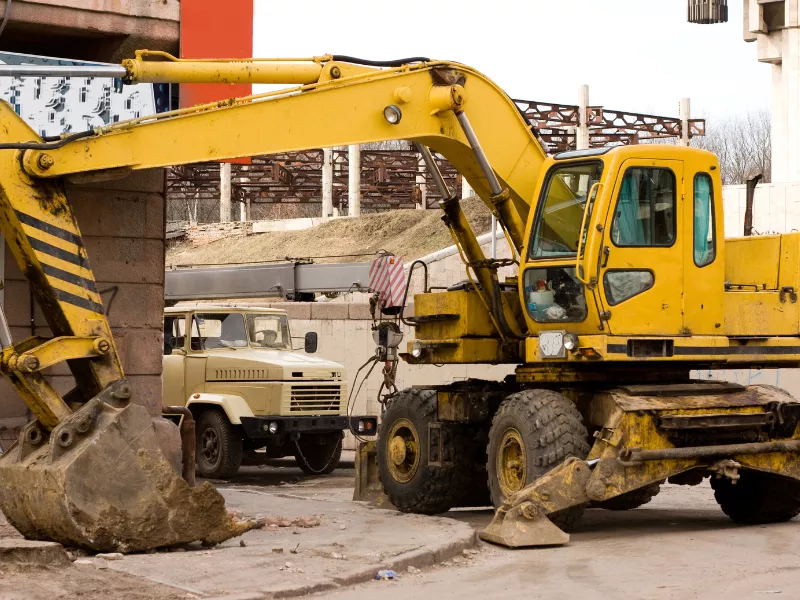
They excavators are common models of excavators. Wheeled excavators are portable and appropriate for paved metropolitan areas. They work well on flat, hard terrain and move rapidly, reducing downtime. They are less stable on uneven or soft ground.
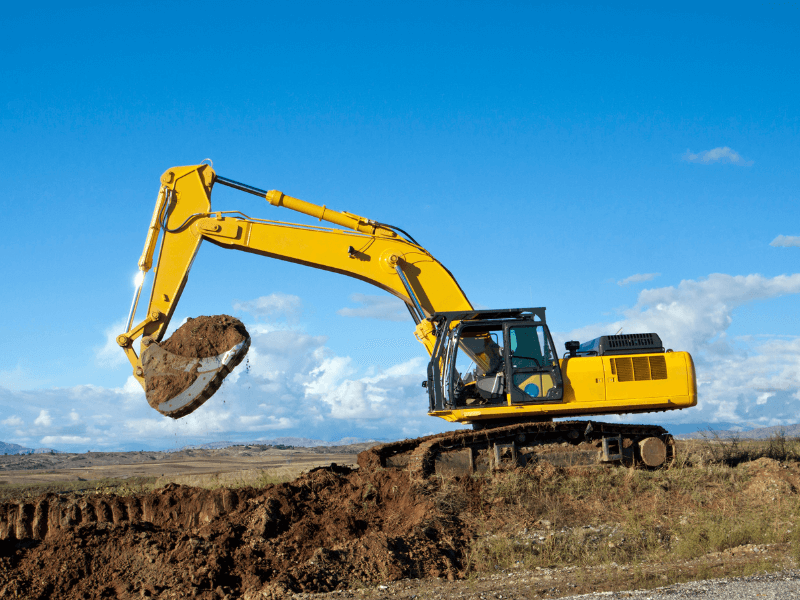
However, crawler excavators are designed for difficult terrain. Their tracked construction provides stability and precision on slopes, rough ground, and muck. Heavy construction operations benefit greatly from these types of excavators because they can manage large loads and have strong digging capacity. They are slower than wheeled models and less suitable for multi-location operations.
These different models of excavators are commonly chosen based on project requirements. Urban projects that prioritize maneuverability use wheeled excavators, while tough or heavy-duty operations use crawlers. Thorough excavator model comparison assures work fit.
Mini vs. Standard Excavators
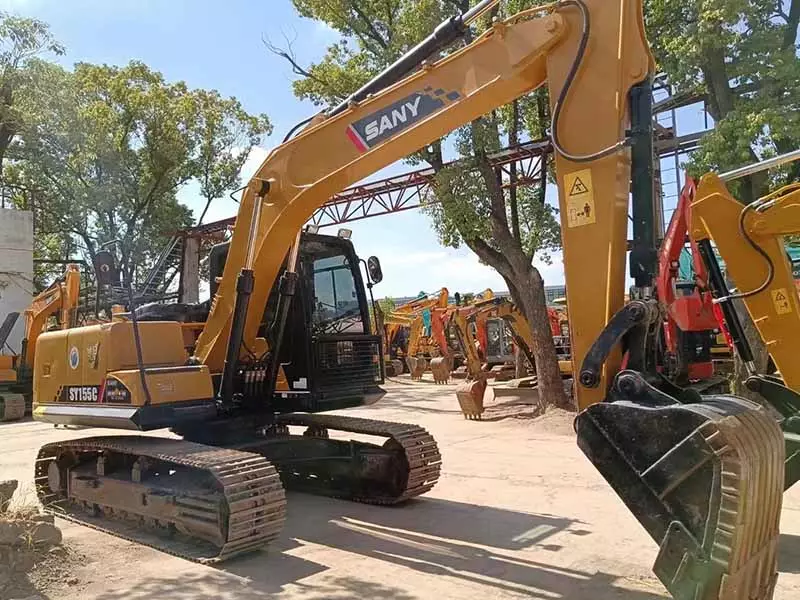
Mini and standard excavators are necessary types of excavators, with unique benefits. Compact mini excavators operate well in narrow locations without sacrificing agility. Their lesser weight decreases surface wear. Their low weight capacity limits their application in heavy lifting.
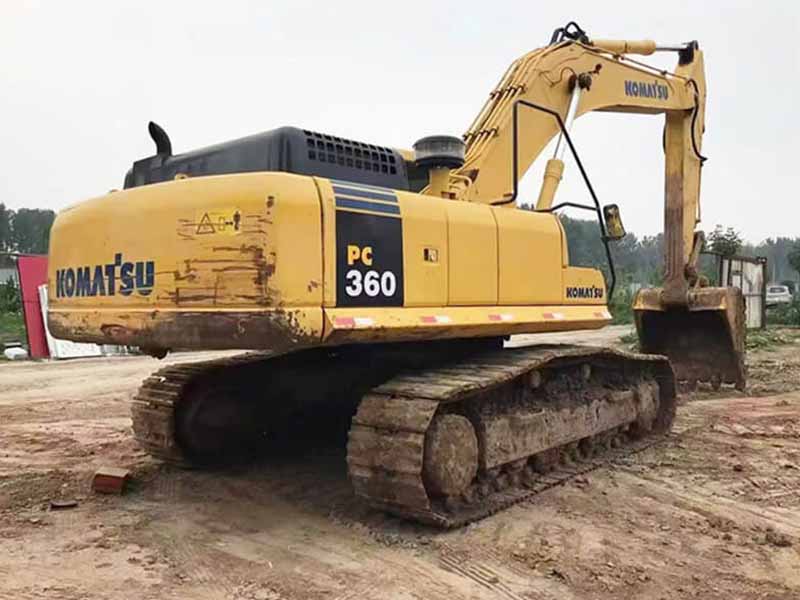
However, standard excavators excel in large-scale operations requiring power and capacity. These models of excavators can carry more material every cycle with heavier buckets. Their sturdy construction and modern excavator model specifications allow them to tackle heavy trenching, demolition, and foundation digging. Their energy needs are strong yet match their tasks.
The choice is reinforced by fuel consumption. Standard excavators are more productive on large works, whereas mini excavators are cheaper for light jobs. These discrepancies must be carefully assessed to match machine capabilities to project needs.

Choosing the right excavator model is crucial to match the demands of your construction projects. Each excavator type, whether mini, standard, crawler, or wheeled, offers distinct advantages for specific tasks and terrains. At Yonggong Machinery, we specialize in providing reliable, thoroughly inspected used excavators tailored to meet diverse construction needs. Our wide range of models ensures that you’ll find the perfect match for your projects without exceeding your budget. Contact us today to explore our inventory!
Follow Us On YouTube.
Related Posts:
Doosan Crawler Excavator Revolutionizing Construction Efficiency