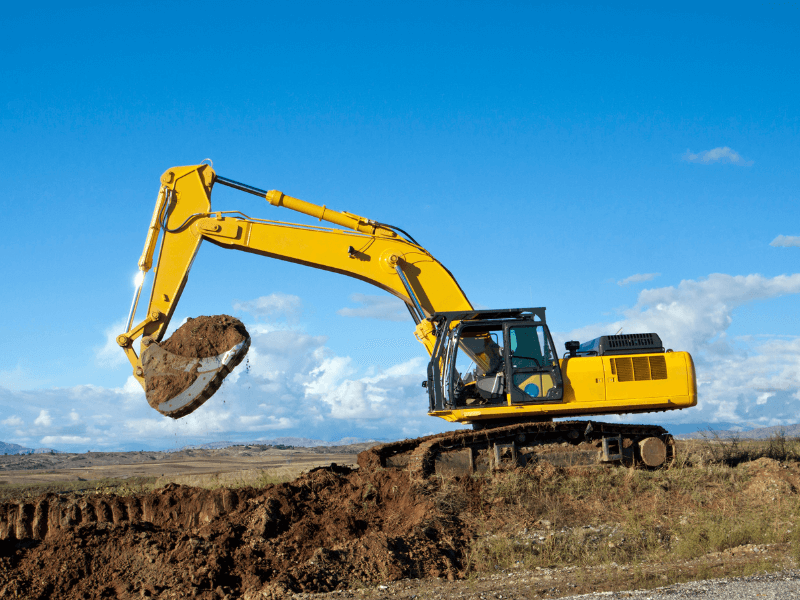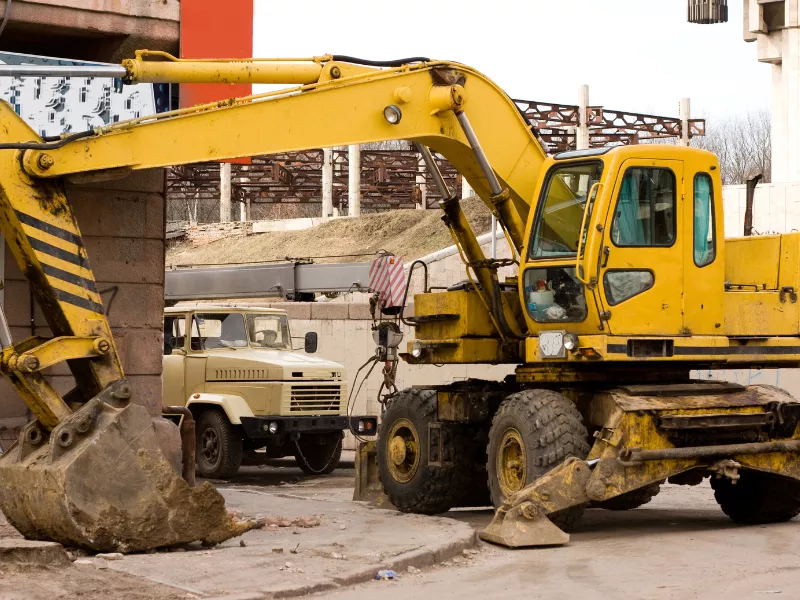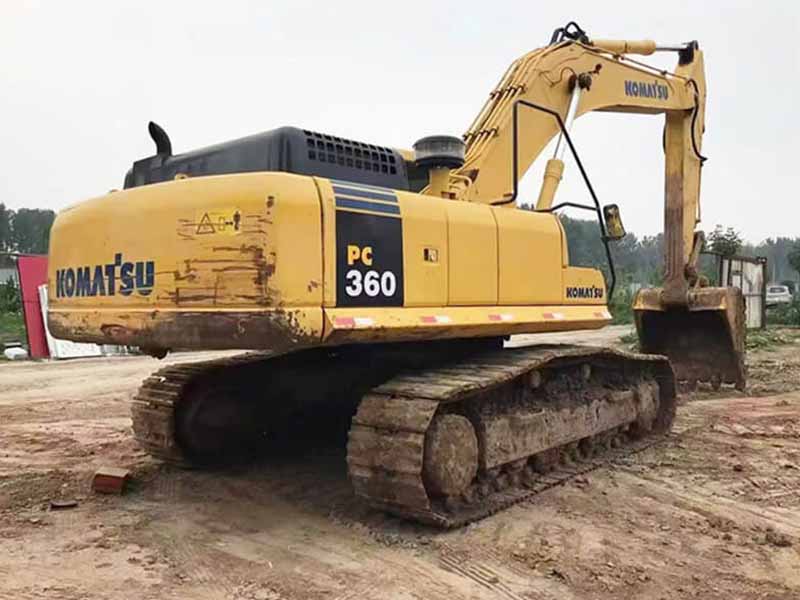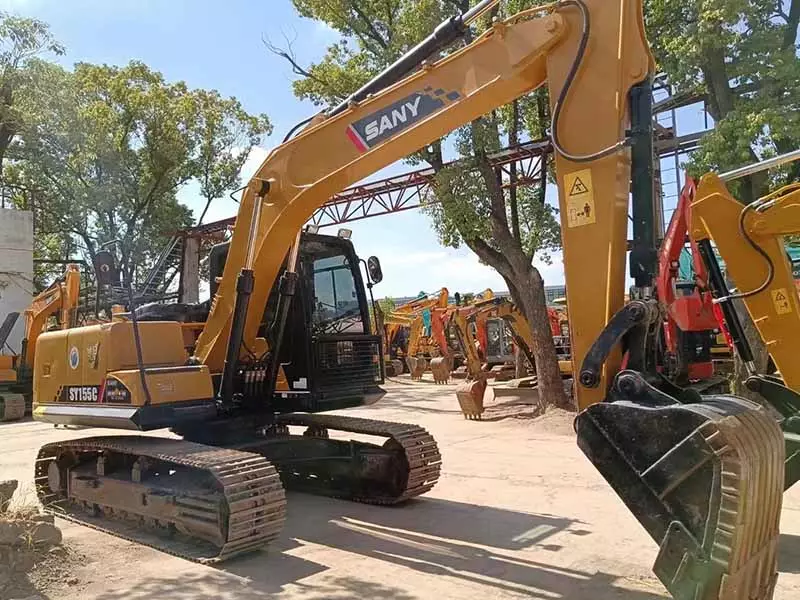
In this blog post, Yonggong highlights the lifting capacity of excavators affects efficiency and safety. Understanding how capacity is determined can greatly affect your operation. Performance is affected by hydraulic system capacity, excavator bucket capacity, and digger load constraints. Knowing how to interpret an excavator load chart is necessary when working with heavy machinery lifting or evaluating the lifting capacity of a mini excavator. See how crane versus excavator lifting affects earth moving equipment capacity and mini excavators’ normal lifting capacity range. Improve your efficiency using these tips.

Excavator Lifting Capacity
You must understand the lifting capacity of excavators to maximize their productivity on the job site. Hydraulic system capacity and excavator bucket capacity determine lifting capacity. The hydraulic system is important for lifting huge objects. This system must provide enough power to support the load without affecting machine stability. Excavators work within their limits because engineers design hydraulic pressure and flow rate to match machine requirements. Safe and efficient lifting requires this equilibrium.
Along with the hydraulic system, excavator bucket capacity affects lifting capacity. Bucket size determines material capacity and lifting potential. The hydraulic force needed to lift more material from larger buckets must be supplied by the system. Additionally, the digger load limit limits what the excavator can lift without tipping or mechanical failure. Operators can better evaluate the lifting capacity of excavators by understanding these factors.
Lifting Capacity Factors
The lifting capacity of excavators is governed by several key elements. The digger load limit—the highest weight the excavator can take safely—is important. This restriction is set by the machine’s design and engineering to ensure safety. Overloading over this limit might cause mechanical failure or dangerous tipping, thus follow load standards. Maintaining equipment balance and stability requires knowledge of the digger load limit.
Construction equipment lifting capabilities and load constraints heavily impact an excavator’s performance. These capacities depend on the machine’s structural integrity and hydraulic power. Heavy materials may be lifted efficiently using a strong hydraulic system. The lifting capacity of excavators depends on hydraulic power and equipment design. Operators must examine the load limit and lifting capabilities to maximize machine efficiency and protect against job site risks.
Improving Excavator Efficiency
Strategic enhancements and fine modifications can increase the lifting capacity of excavators. One successful method is hydraulic system capacity optimization. Excavators can lift higher loads by improving hydraulic components like pumps and valves. The hydraulic system is maintained regularly to maximize excavator efficiency. Using high-quality hydraulic fluid lowers friction and wear. Together, these improvements improve heavy machinery lifting.
Changing excavator bucket capacity to fit project requirements is another important approach. The correct bucket size and type can greatly impact the machine’s lifting capacity. For instance, a lighter bucket allows the excavator to handle higher material loads without exceeding its digger load limit. Equipment like load-monitoring systems can give operators real-time feedback to maximize lifting capacity. The machine functions safely with these systems. Operators can increase the lifting capacity of excavators by using these methods.
Mini Excavators Look Closer
The small mini excavators have excellent lifting capabilities for specialized jobs. These machines can lift 0.5 to 2 tonnes, depending on type and setup. This range makes them perfect for urban construction and landscaping due to their efficiency in small locations. Operators must evaluate the operational weight and hydraulic system efficiency to appropriately assess the lifting capacity of excavators, especially compact versions. The maximum load that operators can raise safely without compromising stability or safety depends on several parameters.
Assessing mini excavator lifting ability comprises design constraints and tasks it can handle. Operators must consider the materials being lifted because attachments can affect load dynamics. Mini excavators can lift more with grapples or thumb clamps. Real-time data from load-monitoring devices helps personnel lift safely. Understanding these factors optimizes mini excavators’ use and construction efficiency. This meticulous assessment maximizes the lifting capacity of excavators, even in smaller models.
Load Chart Interpretation
To maximize the lifting capacity of excavators and ensure safe operations, read and interpret the lift chart. Lift charts show how much the machine can safely lift at different boom and arm settings. It shows load limitations based on lifting height and radius, which are necessary for safe operational conditions. One must first determine the machine’s setup and attachments to read a lift chart. This entails knowing how excavator geometry affects balance, stability, and load capacity.
Effective excavator load chart use involves careful preparation and site awareness. By incorporating load chart data into project design, operators may foresee issues and avoid overloading, which could cause equipment failure or accidents. The load chart guides load handling and positioning decisions to keep the equipment safe. Operators can optimize the lifting capacity of excavators to fulfill specific job requirements while preserving safety standards by aligning project goals with the rich insights provided by the load chart.
Lifting Method Comparison
Crane versus excavator lifting has pros and cons that affect lifting capacity of excavators and project efficiency. Cranes excel in lifting big loads at great heights and distances, making them suitable for massive construction projects that require accurate load placement. They demand a lot of setup time and space, which can be difficult on crowded job sites. Excavators can dig and lift. Their agility in compact areas makes them helpful in cities. However, excavators can lift less than cranes and reach less.
To optimize earth-moving equipment capacity, understand project needs to determine the right lifting method. Excavators are cost-effective for excavation and lifting jobs in tight spaces. You can increase the lifting capacity of excavators by increasing hydraulic system capacity and choosing the right bucket size. For projects that need lifting at heights or with high weights, cranes are best. Project managers can make safe and efficient job site decisions by recognizing these distinctions and capabilities.

For those seeking reliable excavation machinery, Yonggong offers an exceptional selection of high-quality used excavators. We back our products with rigorous quality control and competitive pricing. As a trusted supplier, we ensure that each machine meets the highest standards of reliability, making it an ideal choice for those looking to enhance their construction projects with dependable equipment. Trust in Yonggong to provide the robust machinery needed to achieve operational success and efficiency.
Follow Us On Youtube.
Related Posts:
Excavator Lifting Capacity 6 Critical Mistakes to Avoid on Site
Mini Excavator Lifting Capacity Safe and Effective Operations