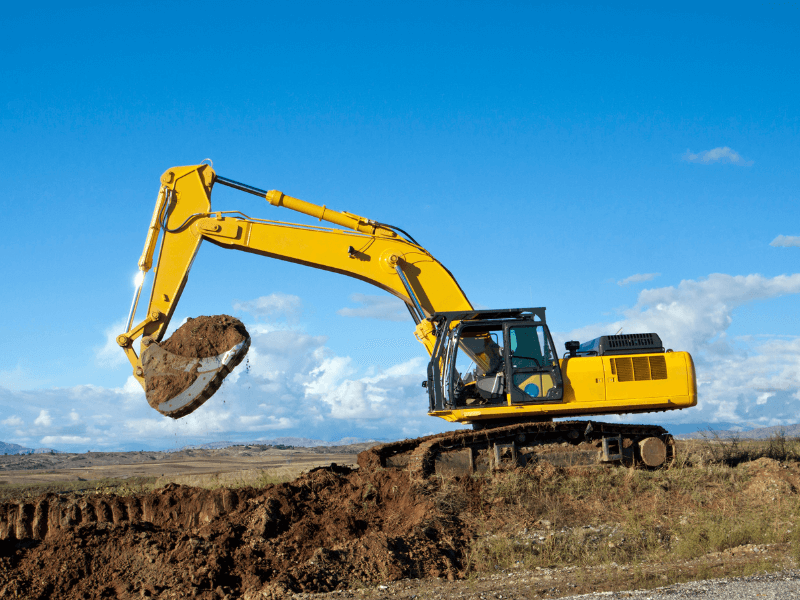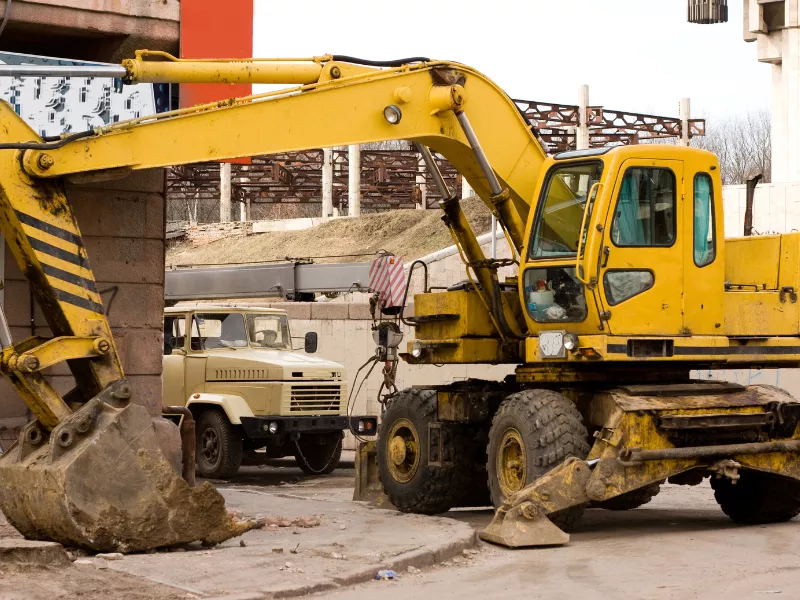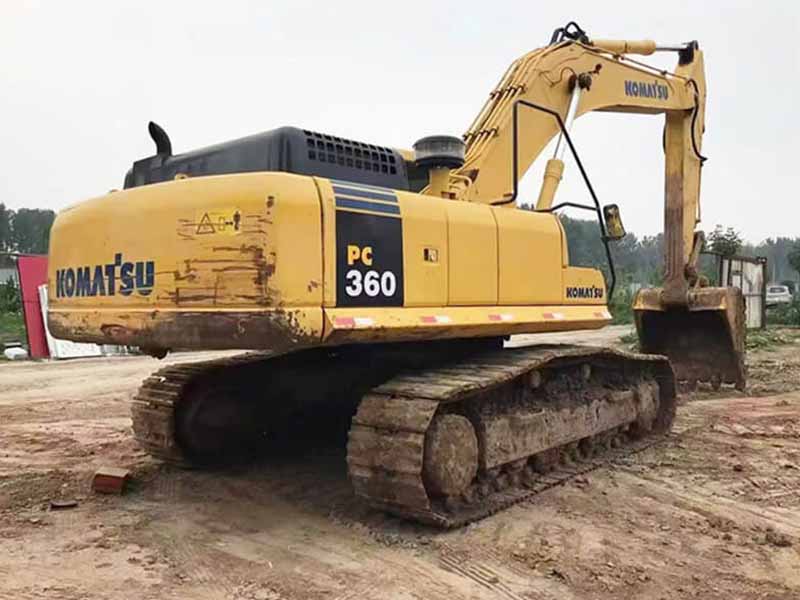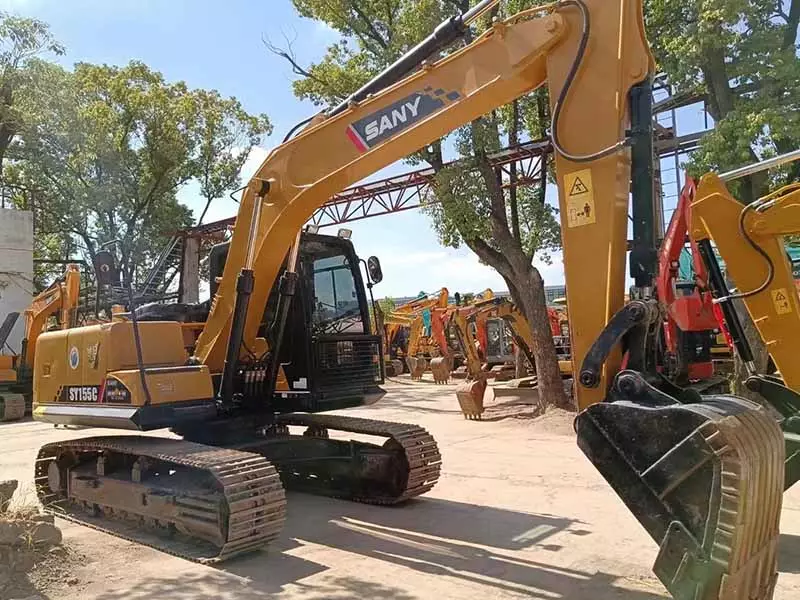
In this content piece, Yonggong explores the hydraulic system excavator is an engineering marvel that provides power and precision in heavy-duty operations. To maintain smooth functioning, this complex system depends on particular hydraulic system components, such as pumps, hoses, and control valves. Understanding how hydraulic system works in excavator sets is important for efficiency, and good excavator hydraulic system maintenance minimizes costly downtime.

Key Excavator Hydraulic System Components
Several main components power. Hydraulic pumps pressurize fluid, control valves direct flow, cylinders transform fluid power into mechanical force, and hoses transport hydraulic fluid. Each is necessary for effective and accurate operation under various loads.
An excavator hydraulic system diagram shows how these parts link. Hydraulic fluid flows from reservoir to pump, control valves, and cylinders in the diagram. This configuration guarantees machine energy transmission is seamless.
Excavator hydraulic system pressure must be properly regulated. Insufficient or excessive pressure might cause part failure or inefficiency. Regular tests and maintenance prevent malfunctions and extend the life of hydraulic system components excavator experts use everyday.
How excavator hydraulics work
Pressurized hydraulic fluid lifts and digs with the excavator. High-pressure fluid from the reservoir is generated by the hydraulic pump. This pressurized fluid directs energy to specified excavator parts through hoses and valves for optimal operation.
Next, fluid reaches cylinders and motor actuators. These excavator parts transfer hydraulic energy into mechanical force for arm lifting and boom rotation. Pressure transfer must be seamless and coordinated for accurate and strong operations.
Proper excavator hydraulic system pressure is necessary throughout this procedure. At optimal pressure, the system performs consistently without component damage. Operators can keep the excavator running by inspecting seals, hoses, and fittings.
Troubleshooting
Smooth performance and reduced downtime need regular excavator hydraulic system maintenance. Replace damaged seals, check fluid levels, and inspect hoses for leaks to protect efficiency. Cleaning the reservoir and replacing filters prevents pollutants from damaging the system.
Root cause identification is an important for excavator hydraulic system troubleshooting. If the arm or boom is slow, check for leaks, obstructions, or low pressure. Performance dips may indicate faulty pumps or cylinders that need rapid hydraulic system repair.
Operators should arrange frequent inspections. Pressurized system wear tests detect early failure. Following manufacturer specifications and using appropriate fluids promotes durability and efficiency. Proper repair records help troubleshoot recurrent issues faster.
Repair and Optimization
Repairing a entails fixing leaks and broken parts. Replace worn hoses, reseal broken cylinders, and clean or replace clogged filters are common excavator repair solutions. Technicians check connectors and valves for cracks or wear that could cause pressure loss or fluid leakage.
Regular maintenance is necessary to the effectiveness of a hydraulic system for excavator. The system runs optimally after pressure testing each component. Upgrades to excavator hydraulic system parts like durable seals or improved filtering systems improve durability and efficiency under extreme load circumstances.
Frequent system checks detect faults before they become severe failures. Schedule oil analysis to keep hydraulic fluid clean and efficient. Operators may reduce downtime, increase component life, and ensure the excavator delivers consistent and exact results by combining proper maintenance with proactive efforts.
Hydraulic Pumps Are Important to Excavators
In the hydraulic pump generates and controls hydraulic pressure. The pump pressurizes reservoir fluid to power the excavator’s digging. The operations cannot perform hard duties without this technique.
For reliable performance, pressure must be ideal. The pump evenly distributes hydraulic energy to cylinders and motors. The excavator’s precise and strong movements under different load conditions depend on this balance.
The parts, particularly the pump, require regular maintenance. Checking for wear, leaks, and contaminants keeps the pump running smoothly. Operators can reduce downtime and extend life with proper care.

At Yonggong Machinery, we offer a wide selection of pre-owned excavators across multiple brands and specifications, each thoroughly inspected to ensure quality and performance. o matter the scale of your project, Yonggong Machinery is here to help you find equipment that meets your specific needs effectively and affordably. Contact us today to explore our inventory.
Follow Us On YouTube.
Related Posts:
Excavator Repairs Guide For Bucket And Attachments