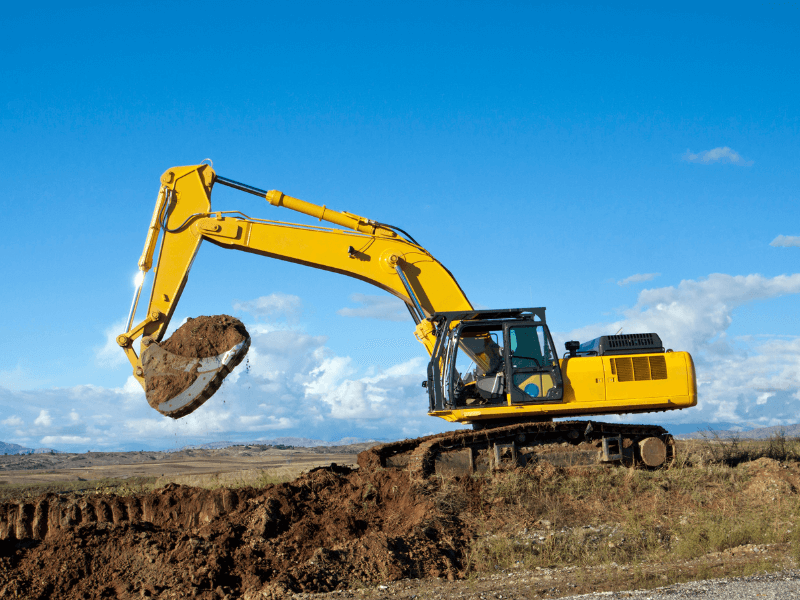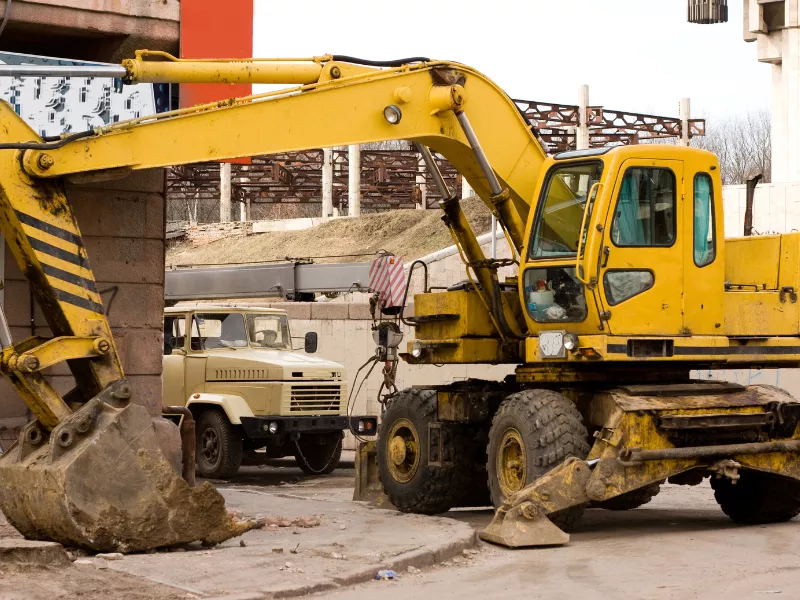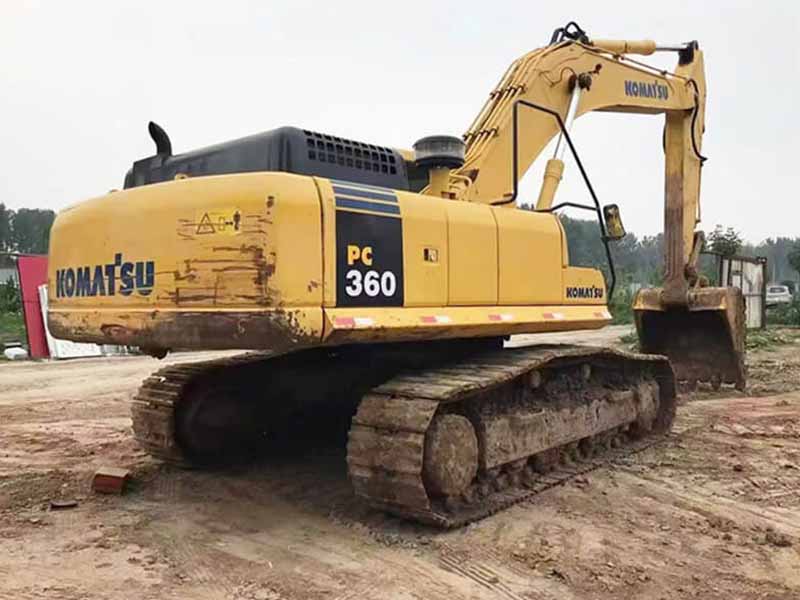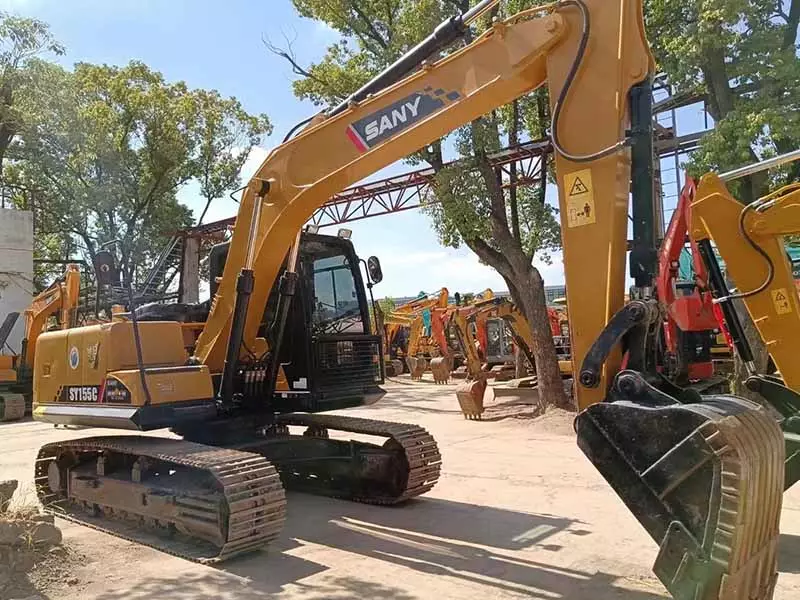
The appropriate excavator bucket design is necessary for efficiency and durability on varied terrains. Choosing excavator bucket sizes, materials, and specialized excavator bucket attachments can improve project results. The various digging bucket types and heavy equipment buckets are suitable for jobs like precise grading and trenching in difficult soil. What are excavator bucket types’ uses? How do bucket shapes effect performance? Yonggong discover grading buckets for exquisite finishing.

What Are Excavator Bucket Types?
Excavator buckets satisfy construction and landscaping needs. The most common and adaptable digging bucket type is ideal for soil removal and bulk material excavation. They are necessary in many applications due to their strengthened edges and ground compatibility. For more precise trenching, narrow and deep trenching buckets are appropriate. Utility and pipeline workers utilize these buckets because they dig efficiently without ground disturbance.
But grading buckets are ideal for landscaping and finishing. These buckets grade and level surfaces smoothly due to their larger and shallower contour. Their spill-resistant construction lets operators finish precisely faster. Specific excavator bucket attachments allow these buckets to meet project needs.
Additionally, excavators’ bucket designs affect their performance. Grading buckets are wider and flatter than trenching buckets. The correct shape improves accuracy and speed.
Excavator Bucket Selection
Choosing the correct excavator bucket requires considering various criteria for best efficiency and performance. First, excavator bucket sizes are important when choosing a bucket for a project. Larger buckets are better for heavy-duty excavation like moving soil or rubbish. Narrower buckets are better for trench digging and landscape sculpting. This ensures the bucket matches the task’s size and kind.
Additionally, terrain issues strongly influence bucket choice. Rock-hard, rocky soil need reinforced excavator bucket materials like high-strength steel. Lightweight buckets built for efficiency without wear are appropriate for milder terrains or loose soil applications. The terrain determines whether to use ordinary buckets or specialist attachments.
Compatibility with heavy equipment buckets and types of excavator attachments must also be taken into account. Tilting grading buckets improves leveling precision. Trenching buckets with attachments speed up and tidy up digging. Contractors can easily complete tasks by matching attachments to bucket designs.
Excavator Bucket Materials and Durability
Excavator buckets are made from durable materials for optimal performance and durability in various activities. For example, most people choose high-strength steel for its durability and wear resistance. Abrasive operations like breaking up compacted dirt or cutting through solid materials work well with this substance. Furthermore, hardened edges and alloy steel corners strengthen the bucket’s durability.
Chrome-carbide overlays are also used for heavy equipment buckets that need extra hardness. These overlays prevent scratching and denting. They provide longer service life. For enhanced corrosion resistance and robustness, stainless steel can be used in bucket components in harsh wear situations.
In rocky or abrasive soil, buckets with wear strips or coated interiors help prevent premature damage. These adaptations and quality excavator bucket materials provide unsurpassed strength. Operators can maximize bucket durability and task efficiency by selecting the proper material for the terrain.
7 Durable Excavator Bucket Designs for Any Terrain
- These excavator buckets are versatile and appropriate for general excavation. They are ideal for ordinary digging and can handle diverse ground conditions for dirt removal and material loading.
- Heavy-duty buckets: Hardened steel is used to make these heavy equipment buckets durable in harsh settings. Their durability makes them ideal for breaking through hard clay, rocky soil, or compacted soil.
- Tipping grading buckets: These tilting buckets make exact grading and leveling easy. They save time in landscaping and applications needing exact angles and slopes due to their customizable controls.
- Wide buckets are ideal for carrying gravel, sand, or huge amounts of loose dirt. Large-scale operations like site clearance require their wider design to maximize load capacity.
- Trenching buckets are used for utility operations like laying pipelines and wires in deep, narrow holes. Their pointed design cuts efficiently and cleanly while minimizing ground disturbance.
- Skeleton buckets: These excavator bucket attachments are great for sorting rubbish and loose rock from soil. Their open design lets undesirable material fall through.
- Rock buckets are strengthened with worn strips and heavy-duty side plates for unparalleled durability. These buckets stay strong and efficient in harsh environments like rocky or abrasive terrain.

Selecting the right excavator bucket is a crucial step toward maximizing efficiency, ensuring durability, and achieving exceptional results across various terrains and project types. If you’re looking for reliable excavation equipment, consider purchasing a used excavator from Yonggong. We offer used excavators of all well-known brands, including Komatsu, Caterpillar, Volvo and Hitachi. We ensure you’ll find dependable equipment tailored to your specific needs. Equip your projects with our reliable excavators and experience unmatched performance and value.
Follow Us On YouTube.
Related Posts:
Excavator Bucket Capacity : How Much Do You Know
Parts of an Excavator 4 Proven Ways to Extend Their Service Life
Caterpillar Excavators A Comprehensive Overview of Models and Specifications