To efficiently complete heavy-duty projects, choose the correct excavator types and sizes. There are several alternatives. Examine crawler and wheeled excavator sizes’ performance and uses. This tutorial covers different excavator types. Find the right excavator for tough job.

Types of Excavator
Crawler Excavators
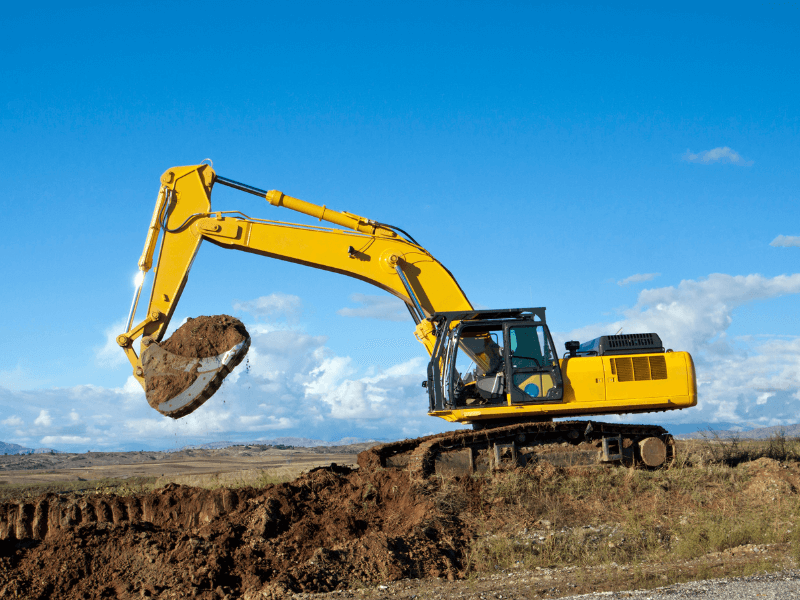
Crawler excavators are stable and can handle rough terrain. These excavators with tracks instead of wheels reduce ground pressure and are ideal for difficult settings. This helps them navigate steep hills and muddy surfaces where wheeled devices struggle. Their sturdy build makes them ideal for mining.
For construction jobs needing dependability and power, crawler excavator types are an excellent alternative due to their adaptability. They are used with attachments for digging compact soil and moving large things. Their tracks are slower than wheels but provide precise control on tight job areas.
Wheeled Excavators
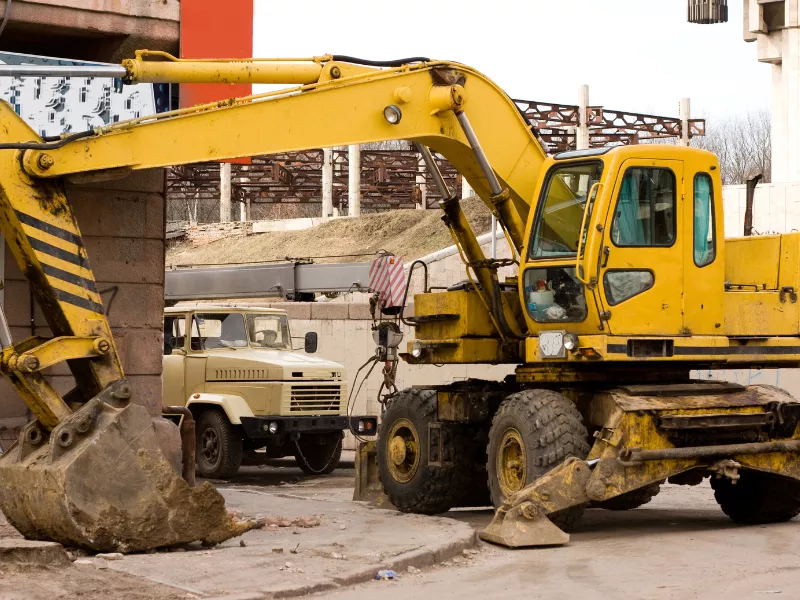
Urban building projects are faster using wheeled excavators. Wheeled excavators can move between job sites without additional transport, unlike tracked ones. This function speeds up time-sensitive tasks and cuts expenditures. They also navigate paved or uneven concrete surfaces better due to their higher ground clearance.
Despite their benefits, wheeled excavators lack the traction needed for swampy soils. However, flat environments like roadworks and utility installations suit them. These devices are popular with engineers for minor excavation and road travel. The correct size assures the wheeled excavator’s stability and effectiveness in specific applications.
Mini-Excavators
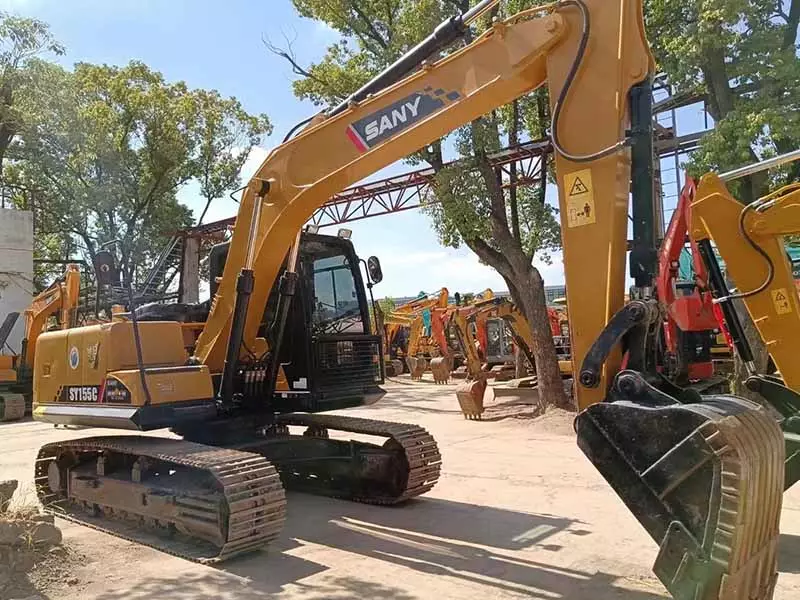
Compact excavators, often known as mini excavators, are precise devices for tight locations. Their smaller size makes them excellent in difficult settings including residential, landscape, and urban repair operations. In compact spaces, their zero or decreased tail-swing designs limit inadvertent damage. This makes them a solid alternative for detailed project operators.
Mini excavators use less fuel and require less maintenance than larger ones. Compact and powerful, they are suitable for utility line trenching and light grading. Buckets and hammers allow small-scale operators to accomplish many tasks efficiently due to their adaptability.
Standard Excavators
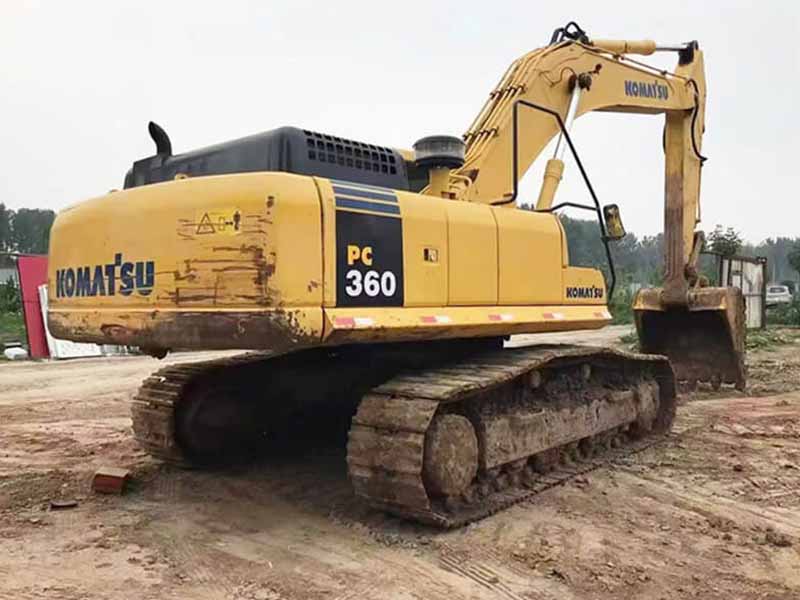
The size and versatility of standard excavators make them versatile for many sectors. These machines have 360-degree cab rotations so operators may dig, load, and unload from a fixed position. With powerful arms and many attachments, typical excavators can dig and level without much difficulty.
For large-scale projects that require flexibility and strength, engineers frequently choose standard excavator types. Parallel tracks give stable footing on soft and hard surfaces. While capable of high production, their moderate size makes them ideal for tasks with moderate spatial constraints. They underpin construction.
Big Excavators
Large excavators are designed for massive jobs. These machines excel at large-scale earthmoving activities like mining, excavation, and civil engineering. Due to their superior digging depth and bucket capacity, they reduce project schedules through effective material handling.
The strong frame lets them handle deep soil, rock, and hefty loads under harsh situations. Despite their size, huge excavators have advanced technology for precision and safety. Large excavator sizes ensure the easy completion of complex projects in high-volume industries like infrastructure building.
For rock and aggregate sites specifically, see how to choose a quarry excavator across the 20- to 50-ton classes.
Hydraulic Excavator Sizes
Large hydraulic excavators are designed for massive excavation. Their innovative hydraulic systems give excellent digging force and precision. When used with shears or crushers for site-specific tasks, their adaptability improves.
These excavators are strong and efficient, so they can carry heavy loads without slowing down. Hydraulic excavator sizes are still at the forefront of difficult construction tasks, such as lifting huge loads and breaking hard ground. Operator productivity is maximized by careful size selection, especially when tailoring machine capabilities to project needs.
Excavator Sizes and Their Applications
Excavator Size Changes Performance
Excavator types and sizes affect project productivity and adaptability. Compact excavators are ideal for gardening and indoor demolition. Their diminutive size improves maneuverability and reduces harm. Large excavator sizes excel in digging deep and lifting heavy stuff. Their powerful engines and sturdy structure handle heavy workloads, although their size may limit use in compact locations.
The right size ensures equipment meet project needs. Standard excavators are powerful and versatile, making them suited for construction and roadwork. Diverse accessories help excavators accomplish light and heavy tasks precisely.
Mini or Standard Excavators
Operators typically compare mini excavator types to standard excavator types. Trenching and pipe installation require precision and minimal ground impact, therefore small excavators excel. Budget-conscious projects benefit from their fuel economy and lower operational expenses. Their tiny size makes them useful in restricted spaces.
Heavy-duty construction uses standard excavators due to its versatility and lifting capability. Their 360-degree cab rotation helps in material handling and excavation on larger jobsites. Operators must consider project space constraints to avoid inefficiencies. Careful consideration of these issues optimizes equipment selection.

Yonggong Machinery has many used excavators for your project. We offer reliable machines at competitive prices, whether you need compact or large excavator types and sizes. Our rigorous quality control ensures top performance and durability. Call us today to find the right excavator for your construction projects.
Follow Us On YouTube.
Related Posts:
Models Of Excavators For Every Construction Need