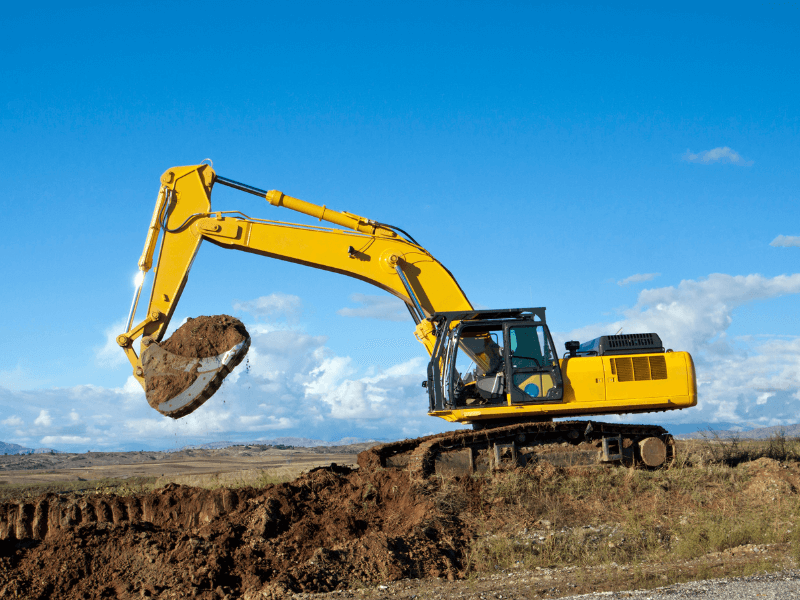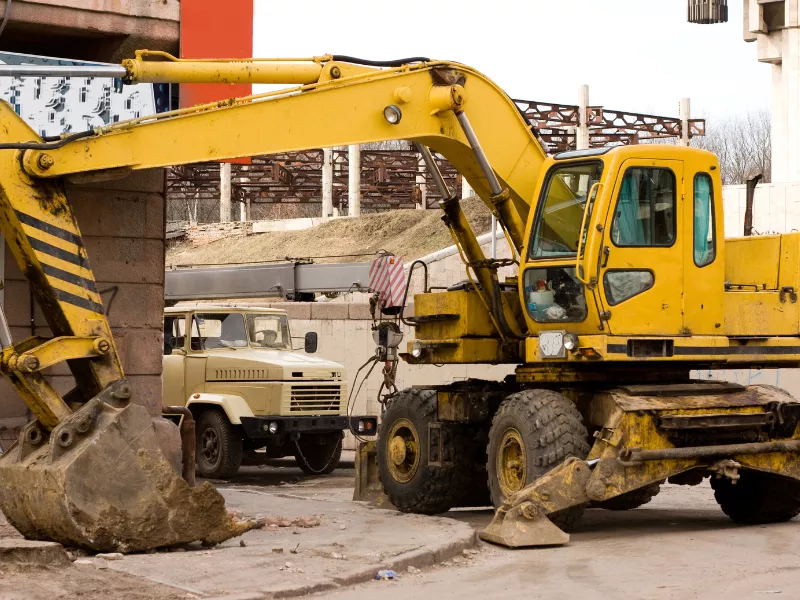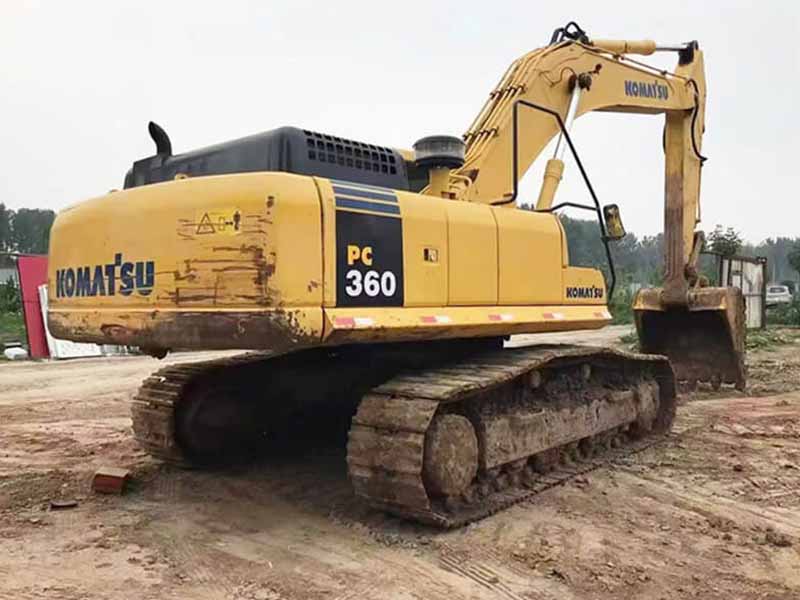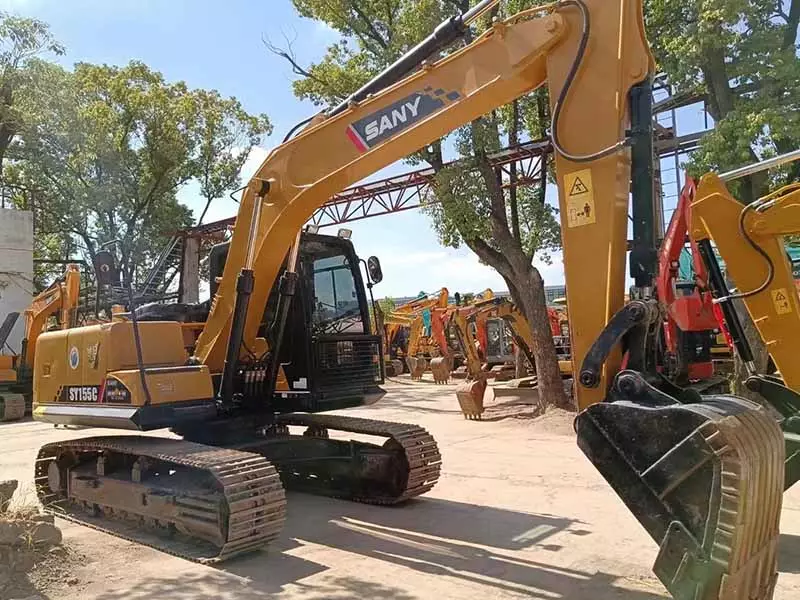
Excavator operators are the people who turn a pile of earth into a level site, a trench, or a finished foundation. The job blends machine control, safety discipline, and site communication — and skilled operators are consistently in demand across construction, mining, and demolition. This guide covers what the role involves, the skills and certifications that matter, what you can expect to earn, and the productivity habits that separate a good operator from a great one.
What Does an Excavator Operator Do?
An excavator operator runs a hydraulic excavator to dig, load, trench, grade, and demolish. On any given shift the job can include reading grade stakes, trenching to a set depth, loading trucks, sloping for safety, and spotting hazards around buried utilities. It is precise work: a skilled operator holds grade within centimeters and loads a truck without wasting a single cycle. The role is physically easier than manual labor but demands constant attention, spatial awareness, and fine motor control.
Essential Excavator Operator Skills
Great operators combine hard machine skills with soft site skills:
- Machine control — smooth, simultaneous control of the boom, stick, bucket, and swing. Jerky inputs are both slow and hard on the machine.
- Grade reading and layout — reading plans, stakes, and lasers to dig to the right depth and slope the first time.
- Spatial awareness — knowing where the counterweight, boom, and bucket are at all times, especially around workers and utilities.
- Safety discipline — PPE, load limits, sloping/shoring, and spotting. A safe operator is a fast operator.
- Communication — clear hand signals and radio calls with spotters, truck drivers, and the crew.
- Preventive care — daily checks of fluids, tracks, and hoses so small problems stay small.
Certification & Training
Requirements vary by region. In the US, operators are typically certified through NCCER or employer-run programs, and many states require a hoisting or heavy-equipment license for larger machines. Elsewhere, a national plant-operator card or CPCS-style ticket is the norm. Most operators start with a formal training course, then build hours under an experienced operator before running a machine solo. Expect anywhere from a few weeks of classroom plus seat time to several months before you are genuinely productive.
Excavator Operator Salary & Career Path
In the US, excavator operators typically earn $40,000–$70,000 per year, with hourly rates of roughly $20–$35 depending on experience, region, and union status. Pay climbs with bigger machines and specialty work (demolition, mining, long-reach). Many operators progress from mini excavators to 20–30 ton machines, then into supervisory or foreman roles. It is one of the more stable skilled trades in construction, with steady demand tied to infrastructure and earthworks.
Productivity Hacks That Actually Work
The difference between average and top output is usually a handful of habits:
- Plan the dig before you swing — knowing where spoil goes and where the truck parks removes wasted cycles.
- Keep the bucket loaded, not just moving — a full bucket per pass beats two half-buckets every time.
- Match the machine to the job — see our guide to choosing excavator size; an oversized machine wastes fuel, an undersized one wastes time.
- Right bucket for the material — a heavy-digging bucket in soft soil slows you down; check the standard bucket size options before you start.
- Do the daily walk-around — ten minutes of checks prevents an hour of downtime.
Choosing the Right Machine
Your output depends as much on the machine as on you. New operators learn fastest on a used mini excavator, which is forgiving and cheap to run. As skills grow, most move up through the size classes. If you are buying rather than renting, start with our excavator buying guide and browse the used excavators for sale to find a well-maintained machine at the right price.
Frequently Asked Questions
Q: What does an excavator operator do?
— They run a hydraulic excavator to dig, trench, grade, load trucks, and demolish, holding grade and working safely around utilities and crews.
Q: What skills do you need to be an excavator operator?
— Machine control, grade reading, spatial awareness, safety discipline, communication, and basic preventive maintenance.
Q: How much do excavator operators make?
— In the US, typically $40,000–$70,000 per year, or roughly $20–$35 per hour, depending on experience and region.
Q: Do you need a license to operate an excavator?
— Most regions require certification or a plant-operator card; the US uses NCCER-style programs and, in some states, a hoisting license for larger machines.
Q: How long does it take to learn to operate an excavator?
— Basic seat time takes weeks, but reaching productive, smooth operation usually takes several months of supervised work.
Q: What is the best excavator for a new operator?
— A mini excavator is the most forgiving to learn on, thanks to its size, lower cost, and simpler controls.