Efficiency and productivity depend on choosing the proper excavator model. Knowing the characteristics, features, and uses of each excavator model—mini, hydraulic, and compact—is necessary. Throughout this entry, Yonggong covers this extensive examination will look at excavator model specifications, present an excavator model guide, and answer questions such, What are the different types? How to choose an excavator model? Excavator model comparison characteristics and capabilities help you choose.

Models of Excavators
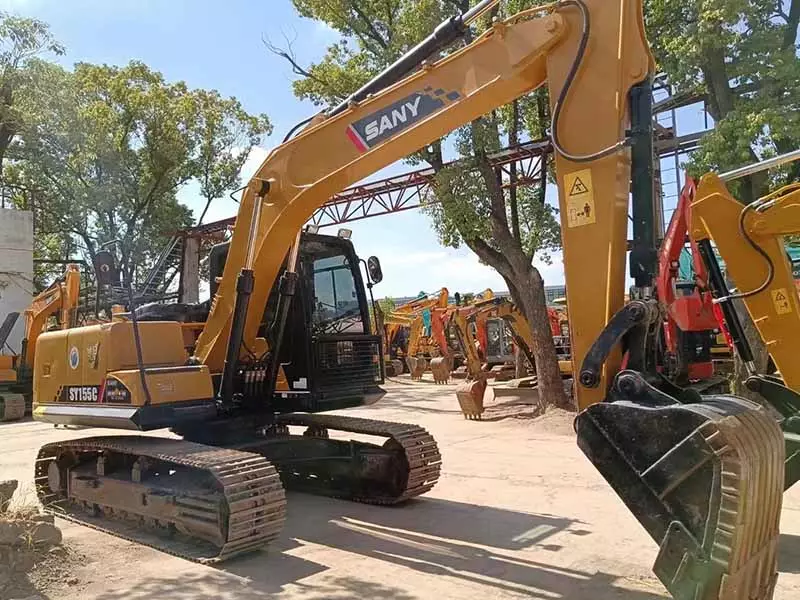
Exploring excavator model types reveals a diversity of machines for individual applications. Mini excavators are suited for small spaces and applications. Ideal for landscaping and residential work, their compact size makes them easy to maneuver on narrow sites. Additionally, their lighter weight reduces ground damage.
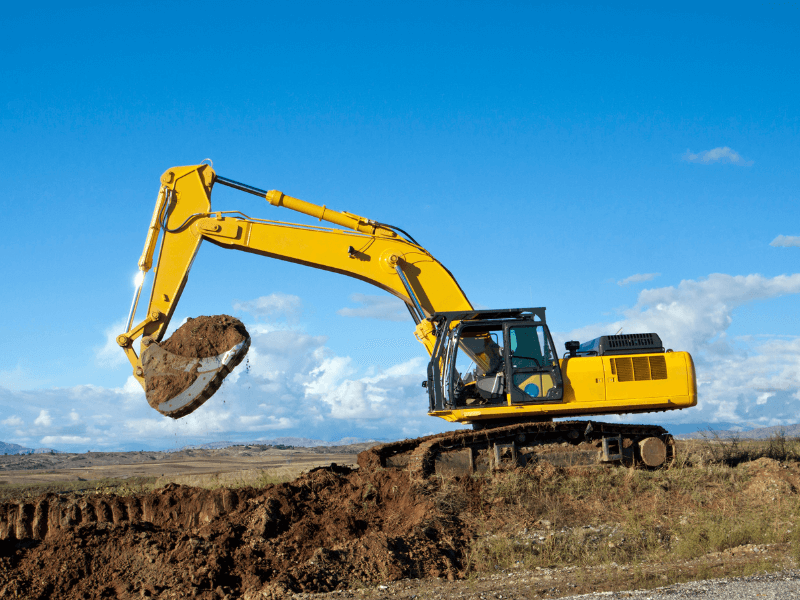
However, the hydraulic excavator model excels at heavy-duty work. They have powerful hydraulic systems for excavating and lifting. Large construction operations demanding precision and strength, including excavation or demolition, use these types. Their efficiency makes them ideal for demanding applications.
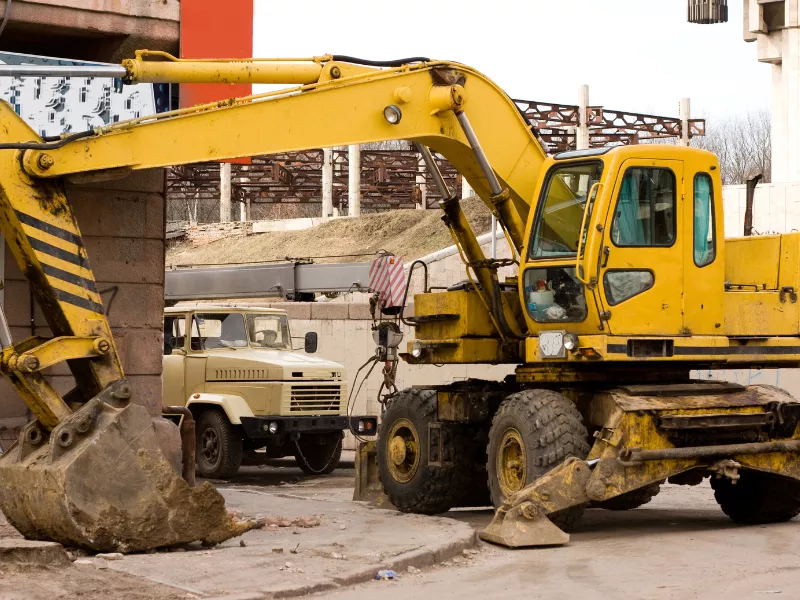
Compact excavator balances size and capability for increased versatility. This type is portable and ideal for mid-sized activities. They improve stability and efficiency on rough terrain. Every excavator meets specific needs.
Key Specifications
Size, weight, and engine capabilities allow excavators to perform various tasks efficiently. Mini excavators weigh 1 to 5 tons and use light-duty engines. They excel at precision tasks like trenching and landscaping because to their compact and agile design.
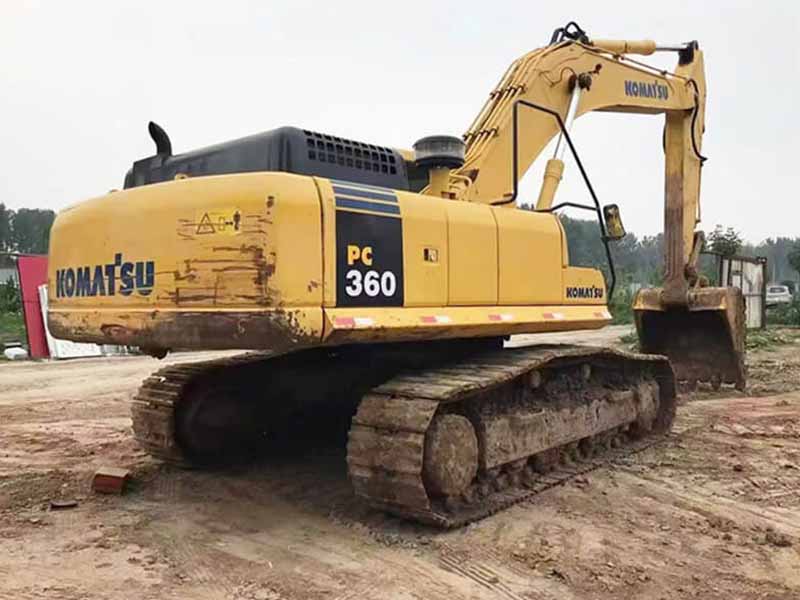
On the other hand, hydraulic excavators have powerful hydraulic systems that ensure tremendous digging force and lifting capability. Weighting 20 tons or more, these machines can tackle huge demolition and deep excavation work. Their durable engines work well in harsh settings.
Compact excavator model combines power and maneuverability. They weigh 5–10 tons and have flexible attachments. In projects that need strength and mobility, their mid-range engine capacity and stability provide efficiency.
Comparisons
Examining features and capabilities of each excavator model helps choose the best one for unique purposes. Advanced technology, safety, and operator comfort are important. Modern excavator model features boost jobsite efficiency while stressing safety and precision.
Performance is also important in excavator model comparisons. Heavy-duty machines need powerful engines and hydraulics. Compact models should be maneuverable and have reliable digging depth and lifting capacity. Checking these specs ensures the excavator meets the job.
Industry-specific criteria must also be considered. Construction may require flexible attachments, whereas landscaping is lightweight. Comparing excavator model specifications including weight, stability, and fuel consumption helps determine long-term worth. These factors help consumers choose a model that maximizes performance and efficiency in their specific setting.
Features and Capabilities
Different excavator offer customized solutions for different purposes. Advanced controls like GPS integration and automated systems improve precision and efficiency. These controls improve operator precision. Fuel-efficient engines minimize operating expenses.
The hydraulic excavator is distinguished by its remarkable lifting and digging capacity. Earthmoving and large-scale demolition are easy with their high-performance hydraulic systems. Reinforced constructions and advanced safety features assure reliability and operator protection during intensive use in these versions. They stand out in construction and industry with their heavy-duty uses.
Other parameters like load capacity and accessories emphasize excavation equipment’s adaptability. Some types are tiny for confined places, while others are heavy-duty. Different features and capacities allow each excavator to efficiently satisfy project needs.
Selecting an Excavator Model
Your project needs must be considered when choosing an excavator model. Mini excavator is suited for small spaces or domestic activities. Its lightweight construction makes it ideal for little landscaping or trench digging projects and easy to transport.
A hydraulic excavator is powerful and efficient for heavy work. Its powerful mechanism can dig and lift massive objects for demolition and earthmoving. Additionally, its enhanced features support precision projects in difficult conditions.
Meanwhile, a compact excavator combines functionality and versatility. Medium-sized projects requiring easy movement and reliable performance on uneven terrain suit it. An excavator guide highlights engine strength and attachment compatibility to reduce alternatives. Understanding these aspects helps you choose the most effective and customized solution for your project.

At Yonggong Machinery, we believe that selecting the right excavator model is necessary to maximizing efficiency and achieving project success. Whether you need a compact model for tight spaces or a powerful hydraulic excavator for heavy-duty tasks. We offer a wide selection of reliable used excavators from top brands, with various specifications to suit your unique project requirements. Our machines bring efficiency, durability, and value to your construction projects. Contact us today to explore our inventory and find the perfect excavator for your business.
Follow Us On YouTube.
Related Posts:
Models Of Excavators For Every Construction Need
Used CAT Mini Excavators Top Models to Consider
Discover the Top 3 Used Doosan 225 Excavator Models Buyer’s Edition