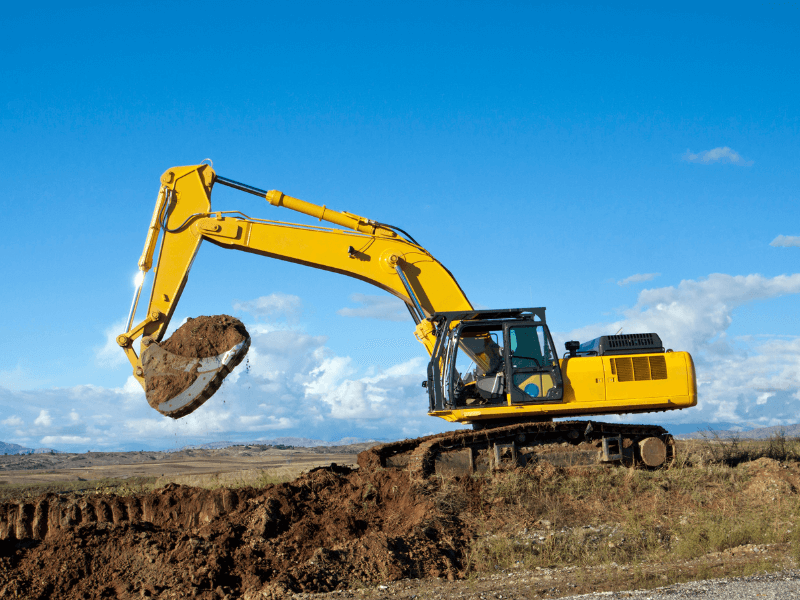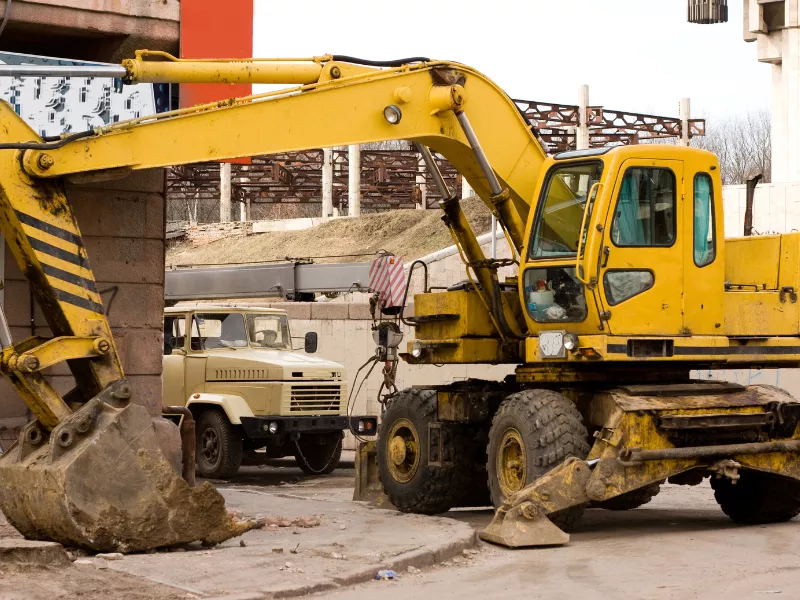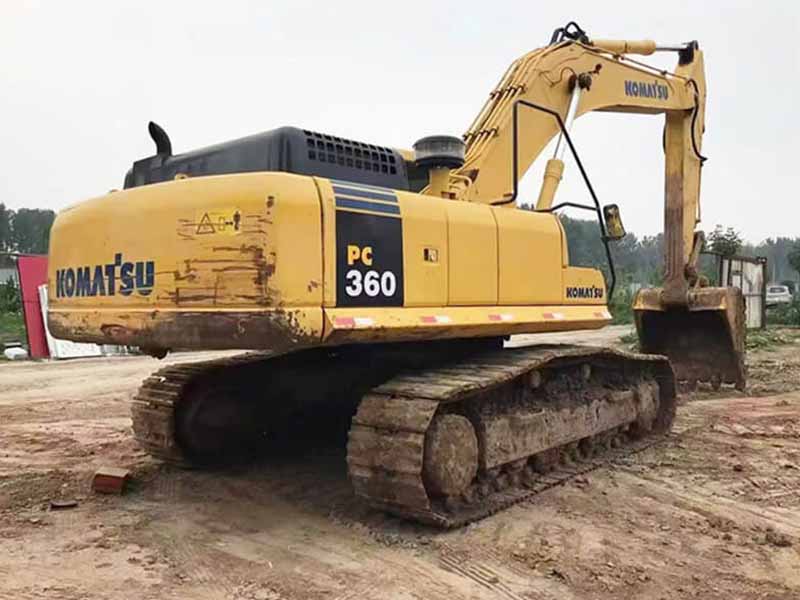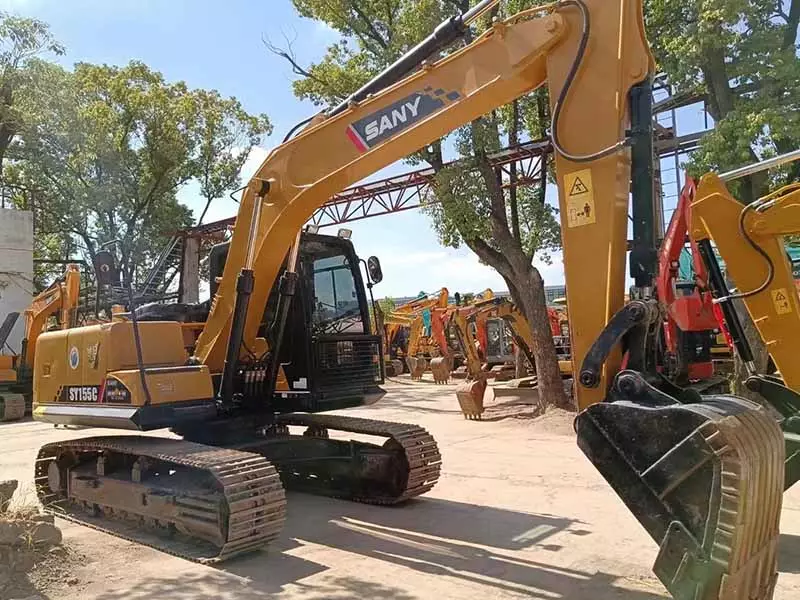
Construction site efficiency and safety depend on excavator lifting capacity. In this blog post, Yonggong highlights how to avoid major mistakes, it is important to comprehend the maximum lifting capacity, hydraulic excavator capacity, and lifting power of excavators. The excavator load limit and digger lifting weight affect load capabilities. Operators can prevent mishaps by reading the excavator lifting chart and following lifting safety guidelines. How do you calculate excavator lifting capacity? Which variables affect it? To learn more and ensure safe, efficient heavy equipment lifting, explore these questions.

Factors Affecting Lifting Capacity
Safe and effective operations require understanding excavator lifting capacity variables. The excavator load limit—the highest weight that can be lifted safely—is important. The machine’s design and construction lifting equipment affect this limit. Maximum lifting capacity depends on the machine’s structural strength and ground stability.
Lifting efficiency depends on hydraulic excavator capacity. Power of hydraulic system affects lifting power of excavators. Hydraulic component maintenance, boom length, and angle affect excavator lifting capacity. You should check these elements to ensure the equipment performs safely and follows lifting safety guidelines.
Mistake 1: Ignoring the Excavator Lifting Chart
Missing the excavator lifting chart is one of the most important mistakes in monitoring excavator lifting capacity. This chart displays the maximum weights that operators can safely lift at different boom positions and angles, offering important information about excavator load capabilities. Ignoring this information may lead to miscalculations, causing equipment failure or unsafe site conditions.
Operators can verify heavy equipment lifting activities meet machine limits by regularly examining the lifting chart. Understanding these factors prevents overloading and preserves hydraulic excavator capacity. Proactively following lifting safety guidelines and improving site safety and efficiency is necessary .
Mistake 2: Ignoring Lifting Safety Rules
Failure to follow lifting safety guidelines can endanger equipment and workers. There are excavator lifting safety rules. The excavator lifting chart details the load limit and maximum lifting capacity. Teach these standards to operators to ensure safe operations.
Use the lifting power of excavators within its limits to prevent mishaps. Following these principles reduces overloading and equipment failure hazards, improving heavy equipment lifting safety. This method preserves assets and improves workplace safety.
Mistake 3: Misjudging Digger Lifting Weight
Construction site safety and efficiency might be compromised by misjudging digger lifting weight. Maintaining safe excavator lifting capacity requires understanding digger lifting weight limits. Each excavator has load capacities that must be followed to avoid equipment damage and worker safety.
Optimizing heavy equipment lifting requires accurate weight assessments. Operators should use accurate measuring equipment and check load weights against the excavator lifting chart. This method prevents hydraulic excavators from exceeding the maximum lifting capacity, preserving hydraulic excavator capacity and ensuring uninterrupted, safe operations.
Mistake 4: Underestimating Hydraulics
Underestimating the hydraulic system can reduce an excavator’s lifting capability, causing inefficiency and safety issues. The hydraulic system controls excavator lifting capacity. To maximize the lifting power of excavators, proper understanding and management of this system are important.
To avoid problems, hydraulic systems need regular inspections, fluid checks, and repairs. Operators can retain the maximum lifting capacity and safely manage heavy equipment lifting activities by optimizing the hydraulic system. The integrity and performance of construction lifting equipment depend on this attention to hydraulic nuances.
Mistake 5: Ignoring Construction Lifting Equipment
Excavator lifting capacity might be affected by overlooking connected construction lifting equipment. Efficiency and safety on site depend on proper appraisal of all heavy equipment lifting equipment. The lifting power of excavators depends on cranes, rigging tools, and other equipment.
The load capabilities of excavators can be utilized with the right construction lifting equipment. This evaluation reduces heavy equipment lifting dangers and overburden.
Mistake 6: Mixing Load Limit and Lifting Capacity
People often confuse the load limit and excavators’ lifting capacity, leading to operational errors and safety risks. Based on boom angle and reach, an excavator’s load limit is its maximum safe lifting capacity. Taking into account hydraulic excavator capacity and other performance criteria, the lifting capacity is the excavator’s maximum weight.
Operators must understand this terminology and its effects on site safety to avoid confusion. They should follow the excavator lifting chart and the specific load capabilities of excavators. This makes heavy equipment lifting safe and efficient, reducing equipment failure.

Respecting excavator lifting capacity is crucial for maintaining safety and efficiency on construction sites.
For those in need of reliable excavators, consider purchasing a used excavator from Yonggong. We offer quality used excavators for various brands and models, including Komatsu, Caterpillar, Volvo and Hitachi. If you want to get the quality used excavators at affordable price, contact us please.
Follow Us On Youtube.
Related Posts:
Used Kubota Excavator for Sale 6 Mistakes to Avoid