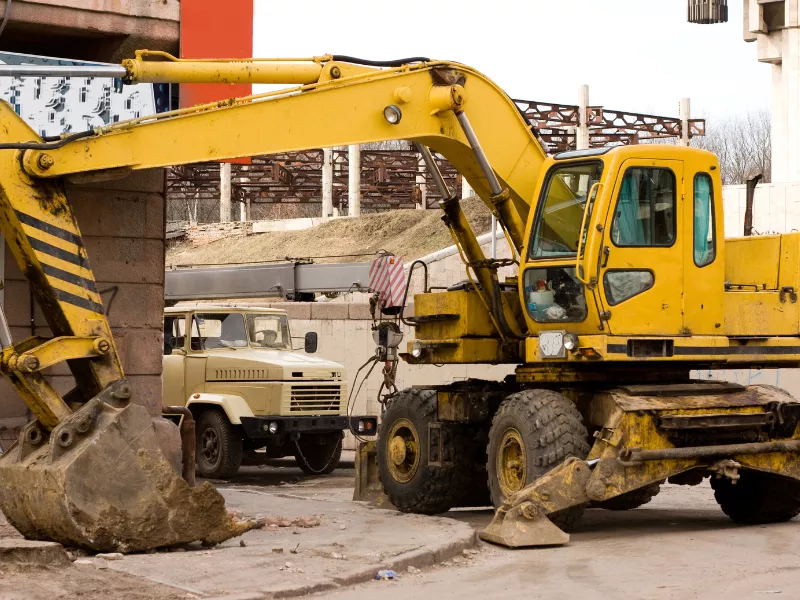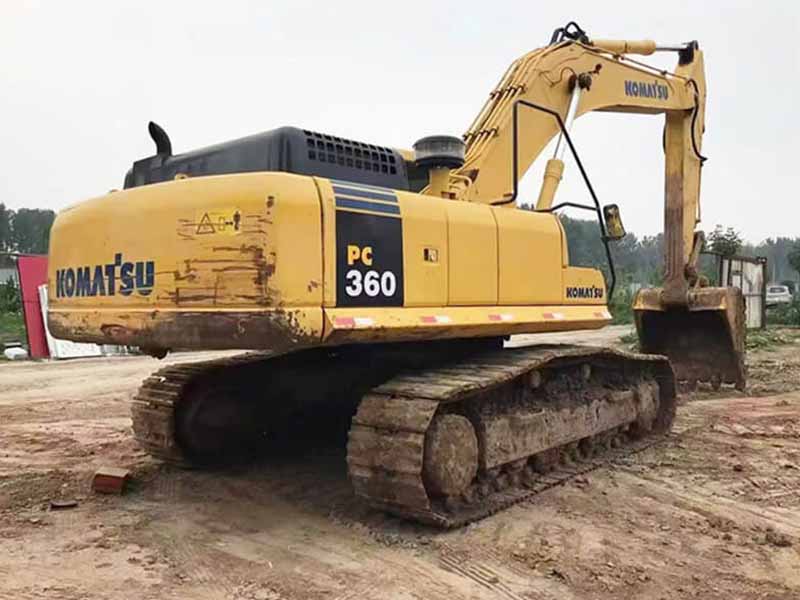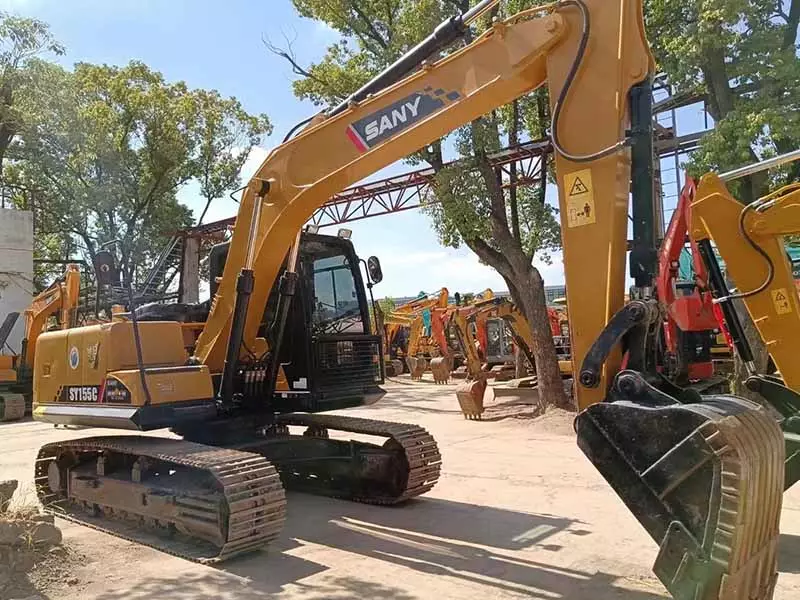
The engine drives every hydraulic and mechanical function of a modern machine. Owners call this component the heart of the excavator. A regular excavator engine inspection prevents sudden failures and expensive repairs. Operators must monitor internal health to ensure long-term machine life. This process identifies small issues before they become disasters. Proper maintenance extends the service life of the equipment. We offer this guide to help you maintain peak performance.
Pre-Start Visual Assessment for Excavator Engine Inspection
Inspectors must check for fluid leaks before they start the machine. Oil or fuel pools near the valve cover signal gasket failure. Coolant stains on the oil pan indicate internal seal issues. At the same time, check the dipstick carefully. Milky oil indicates a coolant leak inside the block. Additionally, inspect the radiator for oil film or bubbles. Bubbles in the coolant suggest a head gasket failure. You must examine all hoses and belts during this stage. Serpentine belts show wear through cracks or fraying. Dry rot on cooling hoses leads to sudden bursts under pressure. A clean engine bay allows for faster leak detection.

The Cold Start Test During Excavator Engine Inspection
A cold engine reveals many hidden mechanical problems. The engine must turn over immediately upon ignition. A long struggle indicates battery or fuel system issues. Furthermore, analysts observe the exhaust smoke color during this stage. White smoke means the engine burns coolant or has injector timing faults. Blue smoke signals oil consumption in the combustion chamber. This condition usually points to worn piston rings or valve seals. Conversely, black smoke indicates a rich fuel mixture. Dirty air filters or faulty fuel injectors often cause this condition. Listen for unusual sounds during the warm-up period. Knocking or clapping sounds suggest bearing wear. These sounds often disappear after the engine reaches operating temperature.
Evaluating Engine Blow-By
Crankcase pressure indicates the health of the internal cylinders. Technicians perform the oil cap test to check this pressure. Remove the oil fill cap while the engine runs. Place the cap upside down over the opening. A dancing cap shows normal pressure levels. However, a cap stays in place only with low pressure. A cap blows off the port signifies excessive blow-by. This pressure comes from combustion gases. These gases leak past worn piston rings into the crankcase. As a result, the engine suffers significant power loss. High oil consumption also follows this condition. Excessive blow-by requires a top-end overhaul soon.
Turbocharger and Air Intake Systems
The turbocharger increases engine efficiency and power output. Inspectors check the turbo housing for oil residue. Oil on the intake side suggests seal failure. Additionally, feel the turbo impeller for shaft play. Excessive movement leads to catastrophic failure of the unit. The air intake system must remain airtight at all times. Dust bypasses old or damaged filters easily. This dust acts like sandpaper inside the cylinders. It causes rapid engine wear and reduces service life. Replace filters according to the manufacturer schedule. For example, dusty environments require more frequent filter changes.
Advanced Diagnostics: Oil Analysis and ECM Reports
Oil analysis provides a window into internal engine wear. Labs search for microscopic metal shavings in the fluid. High copper levels indicate bearing wear. Iron levels suggest cylinder wall issues. Moreover, check the Electronic Control Module for data. The ECM stores active and historical fault codes. These codes reveal past overheating events or low oil pressure warnings. This data offers a factual history of the machine usage. Technicians use these reports to predict future maintenance needs.
Sourcing Reliable Used Equipment from Yonggong Machinery
Yonggong Machinery provides high-quality used excavators to global buyers. We follow strict standards for every machine on usedtruckexcavator.com. Our team conducts a thorough excavator engine inspection on all units. We stock major brands like Caterpillar, Komatsu, Sany, and Hitachi. Customers receive transparent technical reports for every purchase. We guarantee the reliability of our inventory through these deep checks. Our workshop refurbishes engines to meet factory specifications.
| Brand | Typical Engine Model | Common Inspection Focus | Expected Life (Hours) |
| Caterpillar | C4.4 or C7.1 | Fuel Injector Performance | 12000 to 15000 |
| Komatsu | SAA6D series | Turbocharger Seals | 10000 to 14000 |
| Hitachi | Isuzu 4HK1 | Valve Clearance | 12000 to 16000 |
| Sany | Mitsubishi or Cummins | Cooling System Integrity | 10000 to 13000 |
FAQs
1. What does milky oil mean?
Milky oil indicates coolant mixed with the engine oil. This often stems from a blown head gasket or a cracked oil cooler.
2. How do I detect a bad turbocharger?
Listen for high-pitched whistling sounds. Check for oil inside the intake hoses. Move the impeller wheel to check for side-to-side play.
3. What causes black exhaust smoke?
A restricted air intake or faulty fuel injectors cause black smoke. The engine receives too much fuel or too little air.
4. What is the oil cap test?
Operators place the oil cap over the filler neck. If the cap stays or dances lightly, the pressure is normal. If the cap blows off, the engine has blow-by.
5. Does Yonggong Machinery provide engine warranties?
We provide detailed inspection reports for all machines. Our team verifies the engine health before shipment.