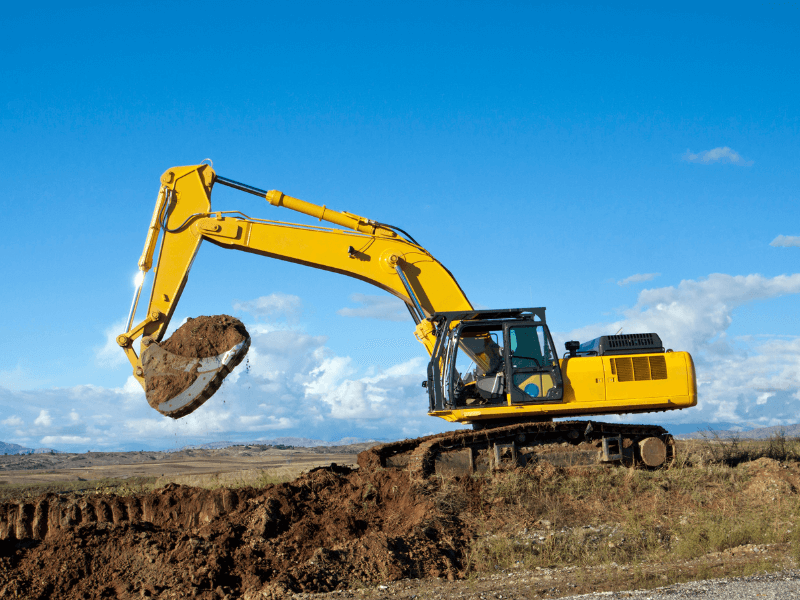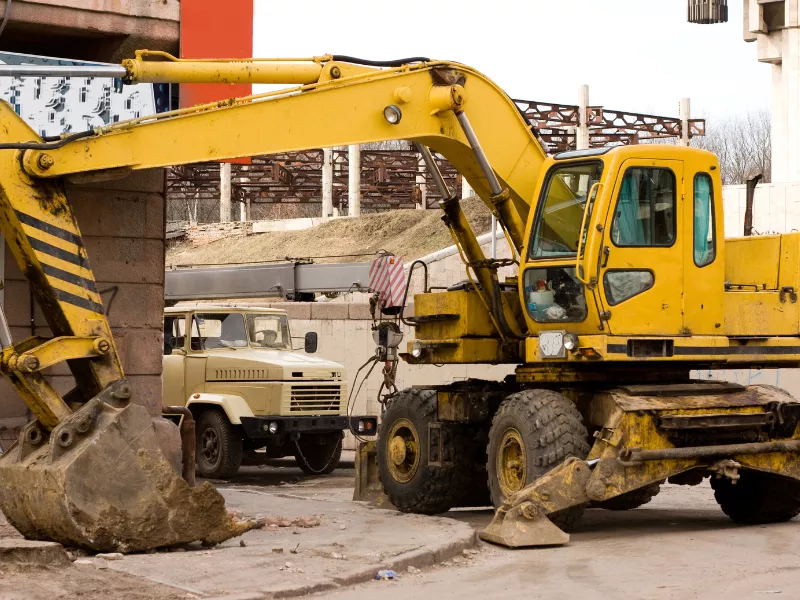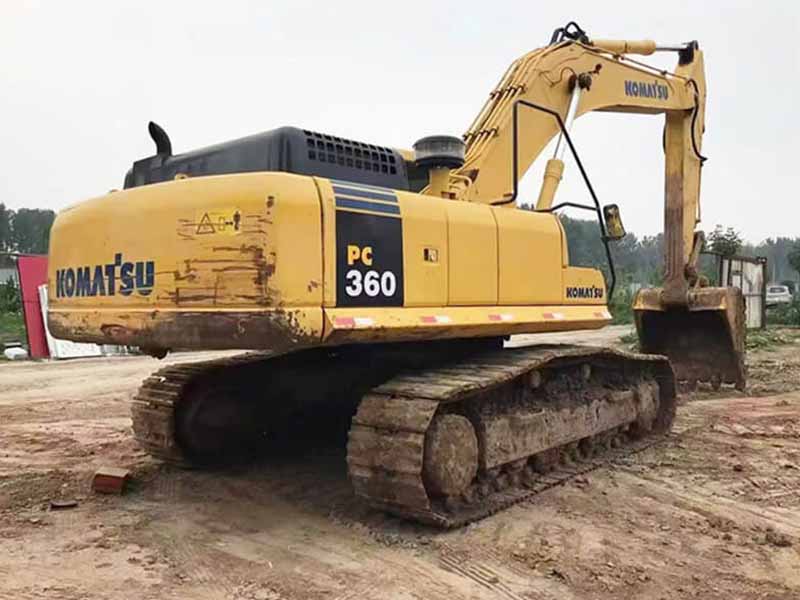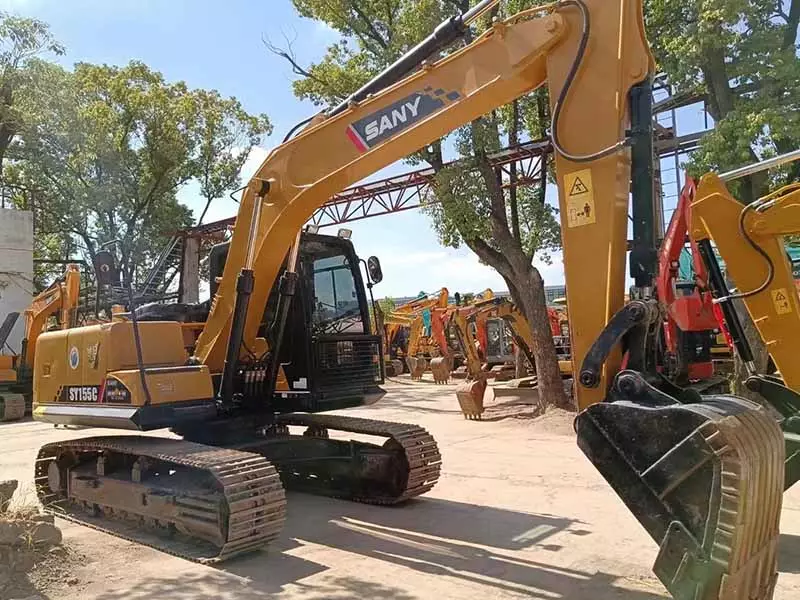
Project success depends on choosing the proper equipment and knowing excavator dimensions. From operating weight to footprint, many factors affect excavator size. Performance is affected by digging depth, boom reach, and weight capacity. This tutorial examines how bucket size, arm length, track width, height clearance, and cab dimensions effect efficiency. Yonggong Machinery will explain excavator size and how to understand characteristics like blade width and ground clearance to help you choose the right machine for your work.

What Factors Determine Excavator Size?
Several important criteria affect excavator size. You must consider these factors to choose the best machine for your project. You also need to check multiple measurements. Instead, consider specifications, jobsite conditions, and task requirements. Knowing these elements optimizes job performance and safety.
Operating weight determines excavator size. The machine’s power and lifting or excavator weight capacity depend on this measure. For difficult operations, heavier machines provide more force.
A heavier working weight usually means a bigger engine and hydraulics. The breakout force and capacity to handle larger attachments increase. Weight is necessary to your selecting process.
Job site limits also influence your choice. Site accessibility for machine delivery and mobility must be assessed. The undercarriage size depends on the terrain’s stability and slope, while overhead or width limits limit excavator size.
Check your worksite for the right machine footprint. Tight urban environments or interior applications require compact versions with low tail swing. In contrast, open fields allow bigger, stronger excavators.
Your equipment choice depends on the job. Excavator digging depth and boom reach are needed for deep trenching. However, demolition or heavy material handling may favor lifting capacity and durability.
Landscape and utility tasks may require a smaller machine for precision and minimal ground disturbance. Such a deep dive into excavator dimensions is necessary. Efficiency requires matching the machine’s capabilities, particularly excavator bucket size, to your application.
Excavator Dimensions and Performance
Selecting an excavator requires knowledge of the specs. The core excavator dimensions affect its task site performance. Reach, capacity, and stability define the machine’s capabilities and limitations. Thus, carefully reviewing these numbers assures you purchase equipment that works efficiently and securely for your duties.
Reach and digging depth are necessary to excavators. How deep and far you can dig depends on excavator arm length and boom arrangement. The excavator boom reach is better with a longer arm.
In truth, excavator digging depth varies greatly by size. A 20-ton excavator typically digs 20–24 feet. Therefore, you must match this dimension to your project’s trenching or foundation needs.
Operating weight and lifting power are linked. Total machine weight balances lifting power, or excavator weight capacity. Job site safety depends on this relationship, especially while transporting heavy pipes, trench boxes, and other objects.
A machine with too little weight might also topple. Therefore, always check the excavator’s lifting chart for your hardest loads. This assures equipment safety and efficiency without overburden.
Stability and footprint are important for excavators. To determine stability and ground pressure, check the excavator track width and length. A broader and longer undercarriage spreads the machine’s weight.
Standard excavator tracks are 24–36 inches wide. Also necessary is high excavator ground clearance. The machine can navigate tough terrain without damaging its undercarriage.

What Are Standard Excavator Dimensions?
Standard excavators have numerous sizes. Each class has varying power, reach, and maneuverability. To find the suitable machine, first understand these classifications. Small, medium, standard, and big excavators are the primary classes. Knowing excavator standard dimensions helps match equipment to project needs.
The smallest excavators weigh under 6 metric tons. Their compact size makes them excellent for garden and indoor demolition operations. They can easily cross narrow gates and corridors because to their small footprint and tail swing.
Mini excavators have a shallower excavator digging depth and a smaller excavator weight capacity due to their size. However, their precision and minimum ground disturbance make them ideal for delicate landscaping, utility trenching, and small-scale excavation jobs where larger machines cannot operate.
Standard excavators are construction’s workhorses. These 19–25-ton machines balance power and mobility for most commercial operations. They have powerful digging and lifting capabilities for many applications.
Excavators in this class typically have a digging depth of 20-24 feet and an operating width that allows transport without permits. Therefore, they are the preferred choice for foundation work, road building, and earthmoving.
Large excavators are the most powerful and capable. These 45–90-ton machines are for the toughest jobs. Large industrial projects.
These gigantic excavators have the greatest excavator boom reach and can transport massive amounts of material swiftly. Heavy attachments can be handled by their powerful engines and hydraulic systems. This makes them important for high-volume earthmoving and quarrying.
The right excavator size is essential for project success. We offer high-quality used excavators and the expertise to help you make decisions. Our team works hard to ensure every machine meets high quality standards and performs well in various conditions. Yonggong is a trusted partner dedicated to your operational efficiency and long-term success. Let us help you choose an excavator for your project.
Follow Us On YouTube.
Related Posts:
Excavator Types And Sizes For Heavy-Duty Work