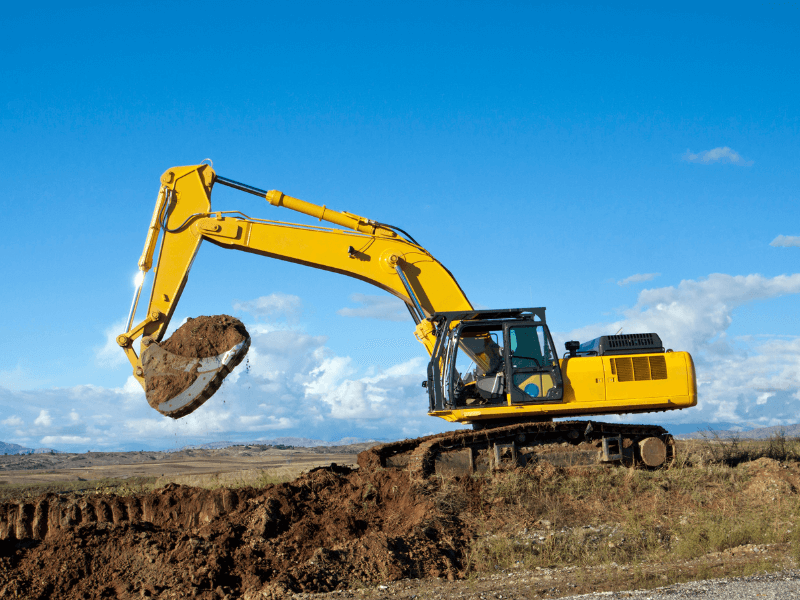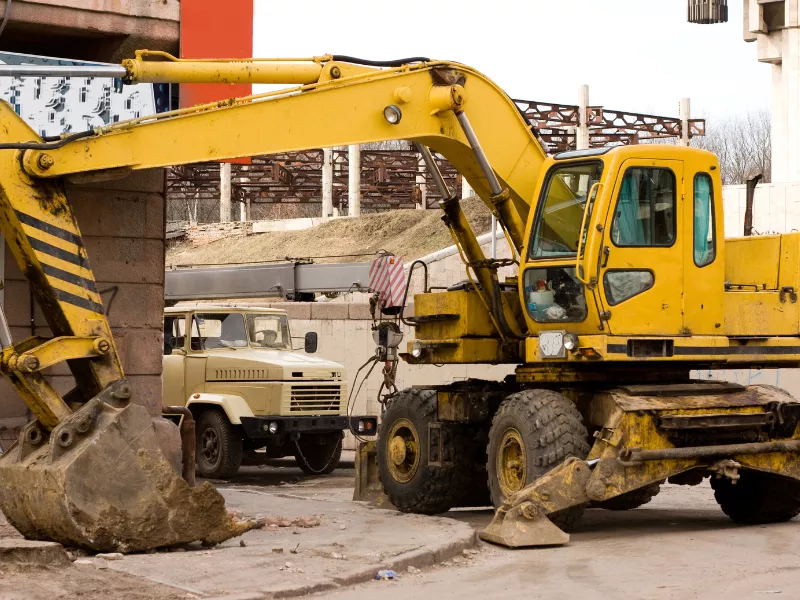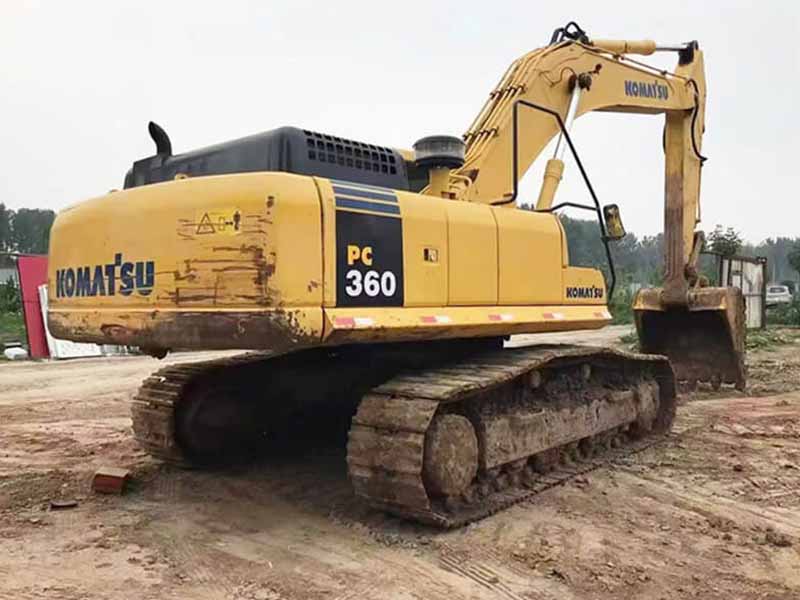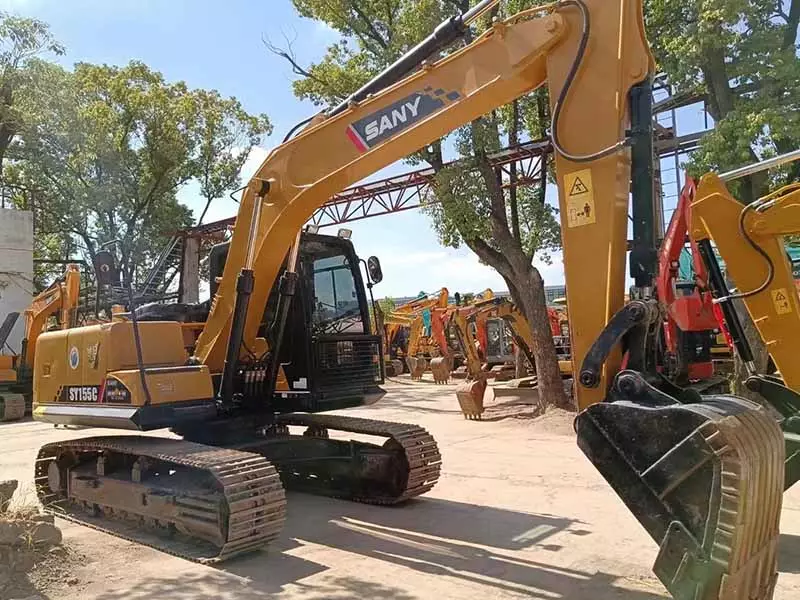
Our excavator buying guide makes selecting the right machine easier. Knowing the important qualities to search for is necessary, whether you’re using an excavator purchase guide, looking for excavator selection tips, or trying to find the best excavator for sale. What should I consider when buying an excavator? and How do I determine the proper size? can help. From building an excavator buying checklist to understanding the excavator buying process, Yonggong share expert insights to help you make a better purchase.

What to Consider When Buying an Excavator?
Before reading an excavator purchase guide, determine your budget and project needs. These parameters greatly affect the type, size, and ideal accessories for your machine. Compact excavators operate well in narrow locations, but larger ones are needed for heavy work. Use an excavator purchase guide to narrow your choices and prioritize the right features.
Decision-making also depends on terrain. Working on soft soil, rocky ground, or uneven surfaces requires the correct setup and tracks. These excavator selection tips can help you fit the equipment to your area. To reduce operational expenses, consider performance, long-term maintenance, and fuel efficiency.
Consider using an excavator buying checklist to keep organized. It should list engine power, hydraulic output, and safety features. When buying an excavator, use this checklist in conjunction with dependable excavator buying tips to make smarter, more educated selections.
How Do I Size an Excavator?
In any excavator buying guide. First, match the machine size to the project. Compact excavators work well in tight locations, but large projects require standard or heavy-duty machines for power and reach. The right excavator size for the job assures efficiency and precision.
Also important is understanding job conditions. Compact variants are suitable for delicate groundwork or narrow walkways. However, larger equipment with sturdy features are better for mining and excavation on tough terrain. Use precise excavator selection tips to make this decision easier and more accurate.
Consider the long term when buying an excavator. Storage, transportation, and operating expenditures should be considered alongside immediate job needs. A well-chosen size enhances job performance and cuts costs.
How Do I Check a Used Excavator Before Buying?
A used excavator must be thoroughly inspected to avoid costly mistakes. Check the engine first because it determines the machine’s reliability and performance. Oil leaks, strange noises, and heavy smoke may signal problems. An excavator purchase guide can help you determine if the engine is working properly.
Assess the hydraulics. Hoses, cylinders, and connectors are necessary for proper functioning, so check for leaks or damage. Run cycles to test the machine’s hydraulic output for responsiveness and efficiency. Using an excavator buying checklist simplifies and guarantees no important details are missed.
At last, look for wear and tear on the undercarriage, bucket, and boom, especially if the machine was utilized in harsh conditions. When buying an excavator, a professional inspection can give you piece of mind. Test-driving it brings out its condition.
Before you commit, understand the cost per m3 of excavation — it shows the revenue side of the machine’s ROI.
What’s the Average Excavator Cost?
The average cost of an excavator varies on numerous aspects, therefore consult a buying guide before buying. New excavators cost $100,000 to $500,000 or more. Compact variants, ideal for smaller projects, cost $30,000–100,000. Heavy industrial machines naturally fall on the higher end.
Buy new or used when buying an excavator to save money. Used equipment typically costs $25,000 to $150,000, depending on age, condition, and maintenance history. However, additional refurbishing costs may develop, so careful inspection and analysis of an excavator purchase guide can ensure value.
Long-term costs like fuel, upkeep, and wear-and-tear parts replacement should also be factored into excavator buying considerations. A reduced initial cost may be enticing, but reconciling purchase price with long-term operational value assures an informed investment.
Where to Buy the Best Excavator
Start your search for the best excavator for sale by visiting authorized dealerships and construction equipment websites. Dealerships offer warranties and after-sales service. Online listings and equipment auctions give more options.
After finding possibilities, the excavator buying process begins. To ensure the equipment meets your demands, compare the specs to your project. Consider size, operation hours, and features with an excavator purchase guide. Researching the seller’s reputation and requesting certifications or service records boosts confidence.
When possible, schedule in-person inspections to avoid scams. Request thorough images and videos and valid documentation for internet purchases. When buying an excavator, pay securely.

Selecting the right excavator is crucial for ensuring project success and maximizing efficiency. For dependable and high-quality equipment, trust Yonggong. As a professional supplier, Yonggong offers various models of used excavators from top brands. We are the reliable partner for all your excavation needs. Elevate your next project with Yonggong’s premium equipment today.
Follow Us On YouTube.
Related Posts:
3 Tips For Choosing The Right Used Truck Excavator For Sale