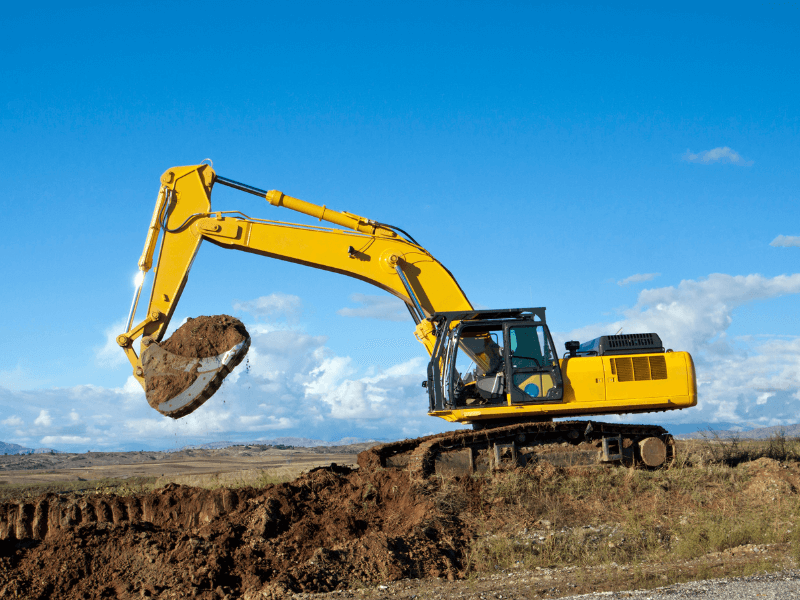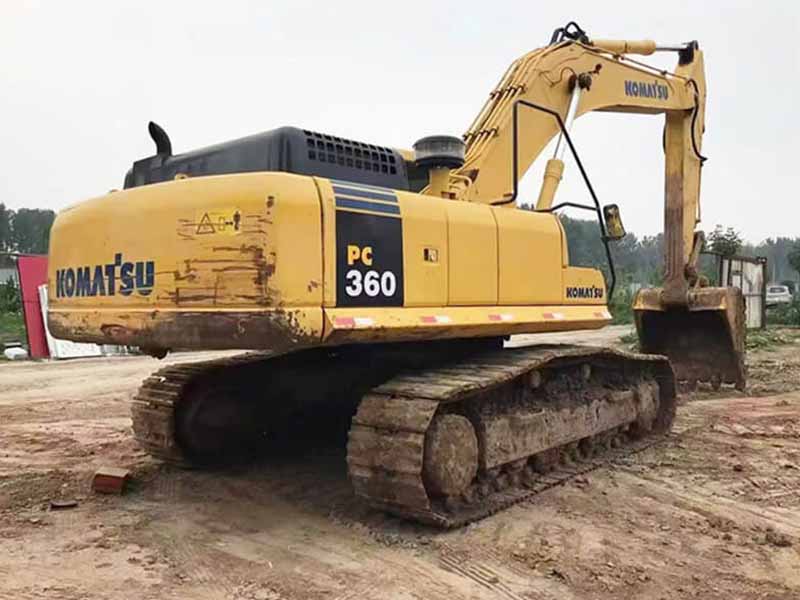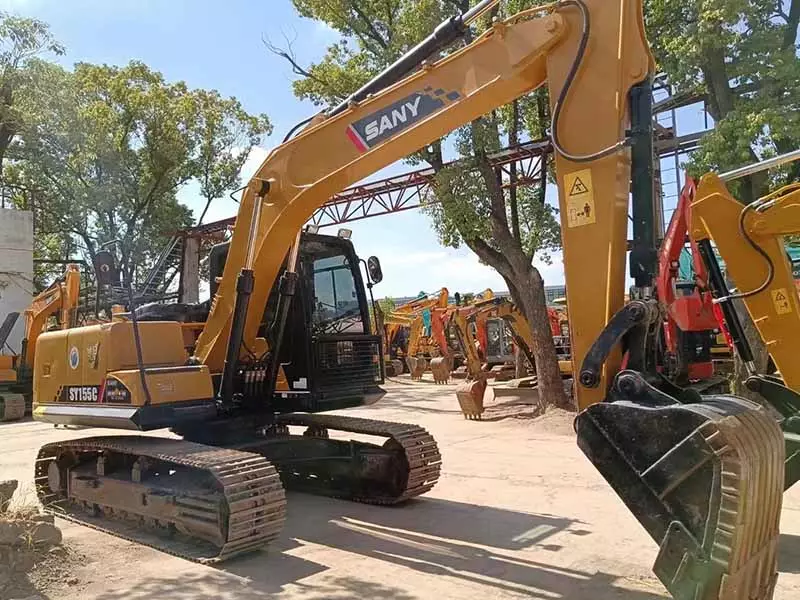
One necessary component of contemporary engineering and heavy construction projects is the crawler hydraulic excavator. On the job site, its design offers unparalleled power, stability, and adaptability. Because of its capacity to operate in challenging conditions, crawler hydraulic excavators are trusted by engineers and project managers. For tasks involving digging. Mobility on terrain that would stop other equipment is ensured by its tracked undercarriage.

Important characteristics of a crawler hydraulic excavator
A crawler hydraulic excavator incorporates a number of important design components. Together, these characteristics provide exceptional performance. The main ones are the attachment versatility, strong hydraulic system, and tracked undercarriage. Every part is designed to be efficient and long-lasting under challenging circumstances.
A stable, low-ground-pressure platform is offered by the tracked undercarriage. This enables the machine to function efficiently on steep slopes, uneven terrain, and soft soil. The hydraulic system then transforms engine power into remarkable lifting and digging force. Advanced controls are used to precisely operate this power. Additionally, the crawler hydraulic excavator is a multipurpose tool that can handle a variety of tasks from excavation to demolition thanks to its ability to use different attachments.
Comparing Crawler Hydraulic Excavators with Other Types of Excavators
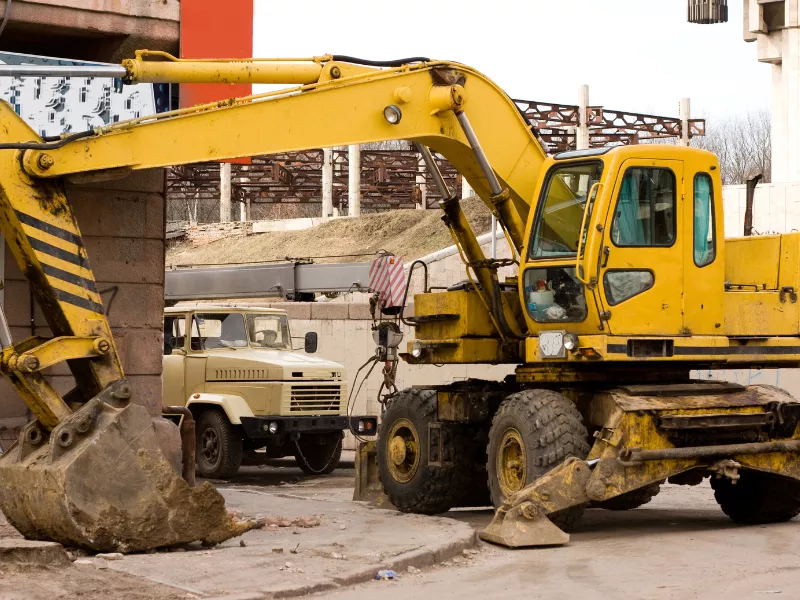
Knowing the strengths and weaknesses of each type is necessary to selecting the best excavator. In some applications, a crawler hydraulic excavator has clear advantages over wheeled, small, and other specialized excavators. These variations in mobility, power, and operational use are illustrated in the comparison that follows.
| Feature | Crawler Hydraulic Excavator | Wheeled Excavator | Mini Excavator |
| Primary Undercarriage | Steel or rubber tracks | Tires | Steel or rubber tracks |
| Terrain Specialty | Soft, uneven, muddy, sloped | Hard, flat surfaces (asphalt, concrete) | Confined spaces, urban areas |
| Mobility Speed | Slow | Fast (road legal) | Slow to moderate |
| Stability | Very high | Moderate to high (with outriggers) | Moderate |
| Ground Pressure | Low | High | Very low |
| Typical Power Source | High-output diesel engine | Moderate-output diesel engine | Small diesel or electric engine |
| Hydraulic Power | Very high | High | Low to moderate |
| Digging Force | Maximum | High | Limited |
| Lifting Capacity | Maximum | High | Limited |
| Best Applications | Large-scale excavation | Roadwork, utility installation on paved areas, material handling | Landscaping, indoor demolition, small-scale utility work |
Technical Details of a Hydraulic Crawler Excavator
The specifications determine a crawler hydraulic excavator’s performance envelope. Engineers have to carefully align these parameters with the needs of the project. Operating weight, engine power, hydraulic flow, and dimensional information such as digging depth and reach are important specifications. The following table shows a typical range of specifications for small, medium, and large crawler excavators.
| Specification | Small Excavator (10-18 tons) | Medium Excavator (20-35 tons) | Large Excavator (40-90+ tons) |
| Operating Weight | 10,000 – 18,000 kg (22,000 – 40,000 lbs) | 20,000 – 35,000 kg (44,000 – 77,000 lbs) | 40,000 – 90,000+ kg (88,000 – 200,000+ lbs) |
| Net Engine Power | 75 – 120 kW (100 – 160 hp) | 120 – 210 kW (160 – 280 hp) | 250 – 400+ kW (335 – 535+ hp) |
| Max. Digging Depth | 5.5 – 6.5 m (18 – 21 ft) | 6.5 – 7.5 m (21 – 25 ft) | 7.5 – 9.0+ m (25 – 30+ ft) |
| Max. Reach at Ground | 8.5 – 9.5 m (28 – 31 ft) | 9.5 – 11.0 m (31 – 36 ft) | 11.0 – 14.0+ m (36 – 46+ ft) |
| Bucket Capacity | 0.4 – 0.9 m³ (0.5 – 1.2 yd³) | 0.8 – 1.8 m³ (1.0 – 2.4 yd³) | 1.6 – 5.0+ m³ (2.1 – 6.5+ yd³) |
| Standard Track Shoe | 600 mm (24 in) | 700 – 800 mm (28 – 31.5 in) | 800 – 900 mm (31.5 – 35.5 in) |
| Hydraulic Flow | 2 x 120 L/min (2 x 32 gpm) | 2 x 220 L/min (2 x 58 gpm) | 2 x 380+ L/min (2 x 100+ gpm) |
Utilizing Crawler Hydraulic Excavators
The crawler hydraulic excavator’s capabilities make it necessary in a variety of industries. Its main application is in heavy construction. Here, it carries out operations like site grading, utility trenching, and mass excavation for building foundations. Its lifting capability also allows operators to place large pipes and concrete structures.
Large crawler excavators, also known as hydraulic shovels, are necessary production tools in the mining industry. They load raw materials into enormous haul trucks and remove overburden. These machines are equipped with specific attachments for forestry tasks, such as removing stumps. Last but not least, their strength and stability are critical for large earthworks like building highways, bridges, and dams.
We are experts at selling a wide range of used crawler hydraulic excavators. At Yonggong know how important it is to pick the right machine for your job. We have a wide range of brands and models in stock, so you can be sure to find the right one for your needs. We promise that our equipment will work well and meet your needs because we know what we’re doing.
You can count on us to give you good quality and value. We have you covered whether you need a small excavator for tight spaces or a big one for big jobs. For your next used crawler hydraulic excavator, go with Yonggong. We can help you reach your goals with your projects.

Commonly Asked Questions
How much digging depth can a crawler hydraulic excavator reach?
Each model has a different maximum digging depth. Depending on the boom and arm arrangement, it usually varies from 20 feet for smaller machines to more than 30 feet for large excavators.
In what ways does the hydraulic system improve efficiency?
The working attachments receive precise, strong force from the hydraulic system. In order to ensure effective and responsive operation for any task, modern load-sensing systems optimize engine power and oil flow.
Which safety features are most important for crawler hydraulic excavators?
A Roll-Over Protective Structure (ROPS) cab, standard and optional side-view cameras, audible travel alarms, and sophisticated stability monitoring systems to stop tipping are some of the vehicle’s key safety features.
With crawler hydraulic excavators, what attachments are most frequently used?
Digging buckets of different sizes, thumbs, grapples, shears, hydraulic quick couplers that facilitate quick and simple tool changes, and hydraulic breakers are examples of common attachments.
How can I pick the best crawler hydraulic excavator for my project?
The project’s necessary lifting capacity, reach, and digging depth should all be taken into account. Additionally, compare the machine’s operating weight and power to the site’s conditions, access restrictions, and the particular tasks.
Follow Us On YouTube.
Related Posts:
Exploring the Best Deals Used Crawler Excavators for Sale
Volvo Crawler Excavators: How To Save On Heavy Machinery Costs