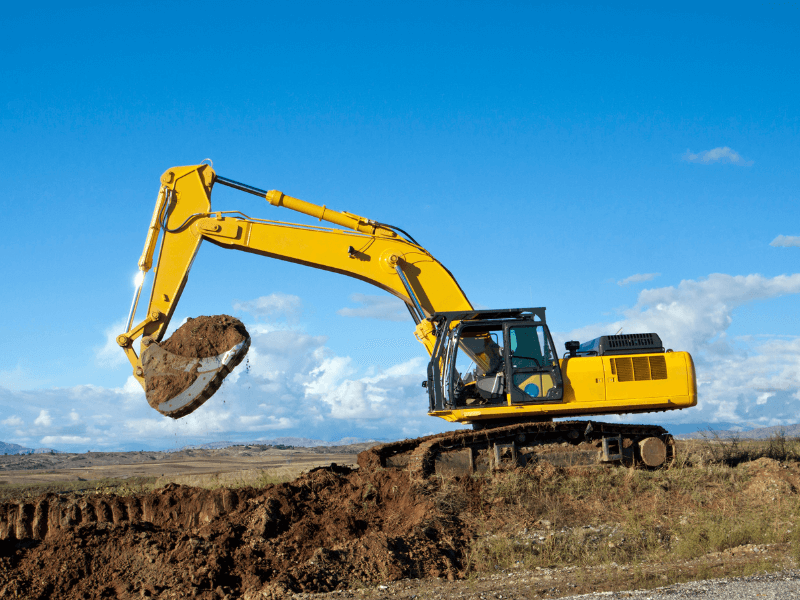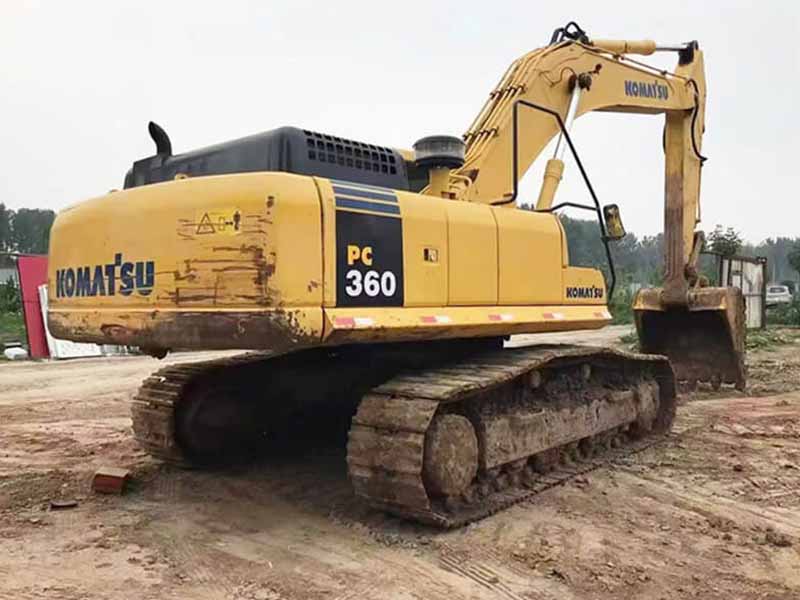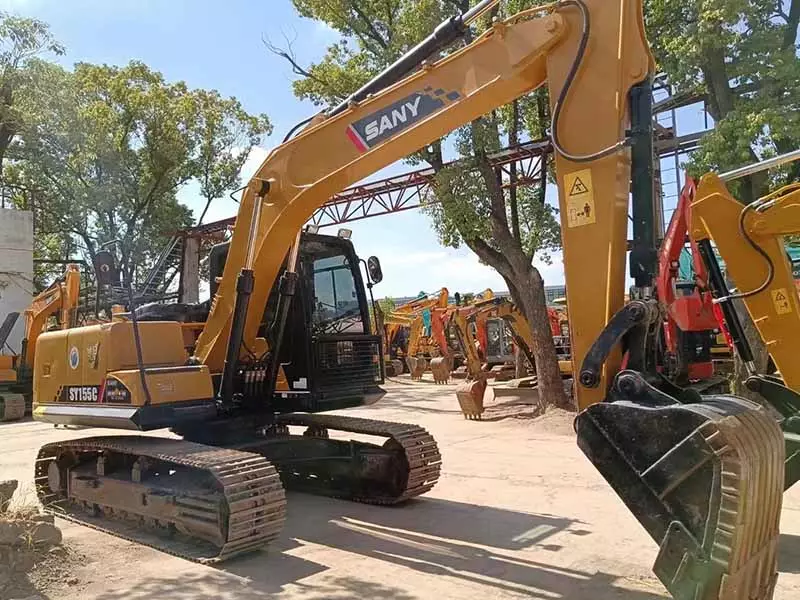
One important class of hydraulic excavators is the Caterpillar 330D series. These devices are renowned for their strong build and potent operation in demanding settings. For engineers and project managers to make the best possible selection and deployment, a thorough understanding of the CAT 330D specs is important. Large-scale excavation projects, quarry work, and heavy construction are all areas in which the 330D shines. Durability, operator comfort, and serviceability are given top priority in its design.

CAT 330D Specifications: Weight and Measurements
For logistical planning and job site suitability, the physical dimensions and operating weight are important CAT 330D specs. Ground pressure, site accessibility, and transportation needs are all determined by these factors. For example, local laws must be followed regarding the machine’s height and transport width. Additionally, stability during heavy lifting operations is influenced by its operating weight. The dimensions and weight of the standard CAT 330D L variant are broken down in detail in the table below.
| Specification | Imperial | Metric |
| Operating Weight | 79,700 lb | 36,152 kg |
| Transport Width | 11.13 ft | 3.39 m |
| Transport Height | 11.92 ft | 3.63 m |
| Transport Length | 36.75 ft | 11.2 m |
| Height to Top of Cab | 10.33 ft | 3.15 m |
| Ground Clearance | 1.5 ft | 0.46 m |
| Tail Swing Radius | 11.5 ft | 3.5 m |
| Counterweight Clearance | 4 ft | 1.22 m |
Note: Depending on the particular boom, stick, and undercarriage configuration, dimensions may differ slightly.
Specifications of Hydraulic Systems
The excavator’s main source of power is its hydraulic system. It powers the swing, boom, stick, and bucket. A high-pressure, high-flow system built for quick cycle times and powerful digging forces is a feature of the CAT 330D. The main implement system uses two axial piston pumps with variable displacement. This configuration enables effective power management. In particular, when necessary, the system can send all of the engine power to the pumps.
One of the main system’s hydraulic excavator specifications is its maximum flow of 148 gallons per minute (560 L/min). This high flow rate guarantees strong and responsive implement movement. As a result, operators can become more productive. Equally important are the relief valve pressure settings for the system. The maximum pressure for normal equipment operation is 5,076 psi (35,000 kPa). To provide additional force for strenuous lifting tasks, a heavy lift mode raises this pressure to 5,221 psi (36,000 kPa).
Additionally, the swing mechanism has a hydraulic circuit of its own. 4,061 psi (28,000 kPa) is its maximum pressure. Consistent swing performance is guaranteed by this specialized circuit. It doesn’t get in the way of lifting or digging.
CAT 330D Engine Specifications
The strong and dependable Cat C9 engine with ACERT Technology is the brains behind the CAT 330D. This turbocharged six-cylinder diesel engine delivers strong performance while meeting the emissions regulations in effect at the time of its production. 537 cubic inches (8.8 liters) is the engine’s total displacement. Significant torque is produced at low engine speeds thanks to this large displacement.
At 1800 rpm, the net flywheel power is rated at 268 horsepower (200 kW). The CAT 330D engine details include this power rating. Fuel efficiency is the main focus of the engine’s design. By optimizing the fuel combustion process, ACERT technology lowers emissions and fuel consumption. As a result, the machine will be more cost-effective to run over time.
Another necessary criterion for work cycle planning is fuel capacity. There are 163.8 gallons (620 liters) of fuel in the tank. The excavator can run for longer stretches of time between refueling stops thanks to its large capacity. As a result, machine uptime is optimized. Additionally, the engine is built to last and be simple to maintain. In order to minimize downtime for regular checks and fluid changes, maintenance points are grouped together for easy access.
Related reading: CAT 330D vs Komatsu PC300-8 — specs, hydraulic performance, real-world pricing and maintenance costs compared side by side.
Related reading: CAT 330D vs Sany SY365H comparison — specs, hydraulic performance, real-world pricing and maintenance costs compared side by side.
Capabilities for Operations
The CAT 330D’s performance in the field is determined by its operational capabilities. Digging depth, reach, and breakout force are some of these metrics. Engineers use these values to match the machine to the specific requirements of a project. The excavator can dig as deep as 26.83 feet (8.18 meters) when using a standard reach boom and the longest stick option (12’10” or 3.9m). In a similar vein, it can reach an astounding 38.42 feet (11.71 meters) at ground level.
One important component of productivity is bucket capacity. The CAT 330D supports a wide variety of bucket sizes. Experts recommend using a bucket with a minimum capacity of 1.0 cubic yards (0.76 m³). Up to 3.4 cubic yards (2.6 m³) is the maximum capacity. The density of the material and the digging conditions determine which bucket is best. Although it uses more power, a larger bucket moves more material per cycle.
For quick cycle times, torque and swing speed are also necessary. The machine has a 10 rpm swing speed. 80,142 lb-ft (108.6 kNm) is the swing torque. Even on slopes, this combination enables the operator to quickly and accurately position the upper structure. These operational capabilities, when combined with high digging forces, make the CAT 330D an extremely productive and adaptable excavator for a range of applications.

Commonly Asked Questions Regarding CAT 330D Specifications
What is the CAT 330D’s operating weight?
The CAT 330D L has a standard operating weight of about 79,700 pounds (36,152 kilograms). Depending on particular attachments and configurations, this may change.
What is the CAT 330D’s maximum digging depth?
One important aspect of its operating specifications is the maximum digging depth of 26.83 feet (8.18 meters) when using a standard boom and the 12’10” stick option.
Which engine powers the CAT 330D?
The 6-cylinder, 268-hp (200-kW) Cat C9 diesel engine with ACERT Technology powers the CAT 330D.
What is the CAT 330D’s bucket capacity range?
Depending on the material and use, the bucket’s capacity can vary from 1.0 cubic yards (0.76 m³) to 3.4 cubic yards (2.6 m³).
Follow Us On YouTube.
Related Posts:
CAT 330D Common Issues And How To Fix Them
Capacity Of Excavator Per Hour 7 Secrets To Calculate Like A Pro