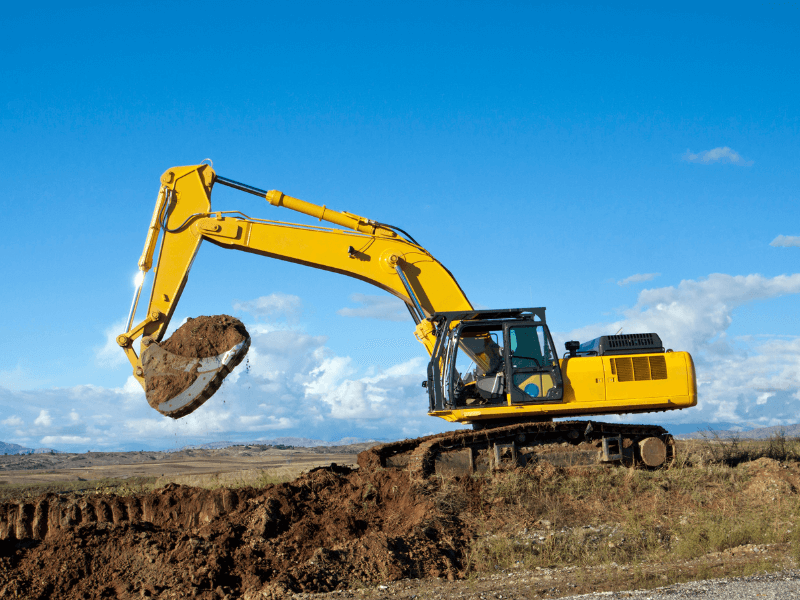
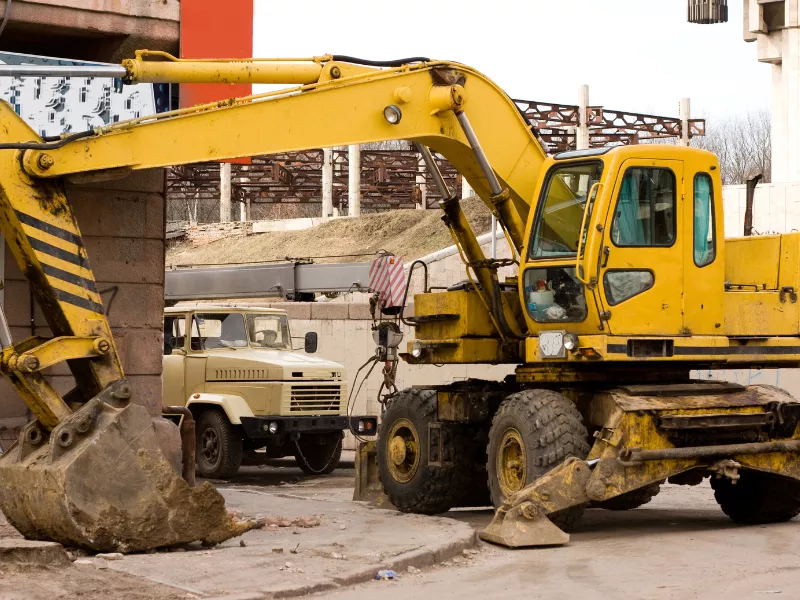
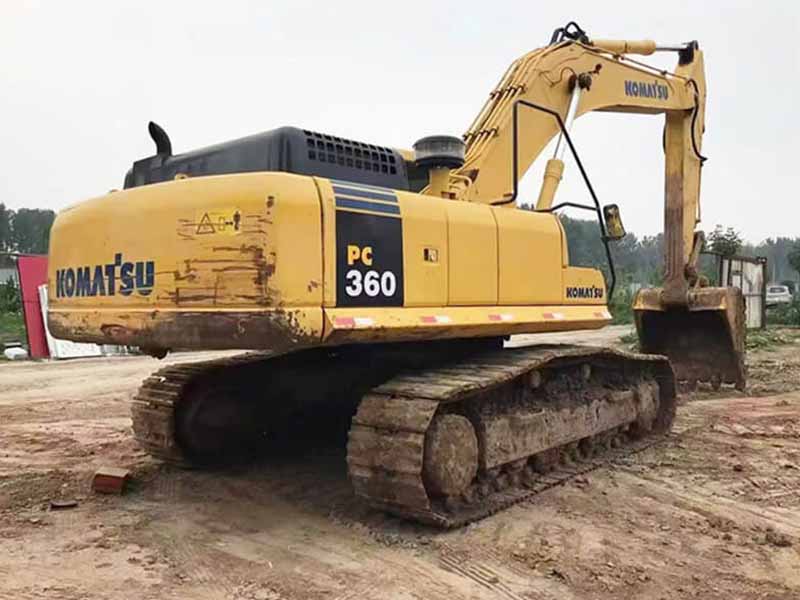
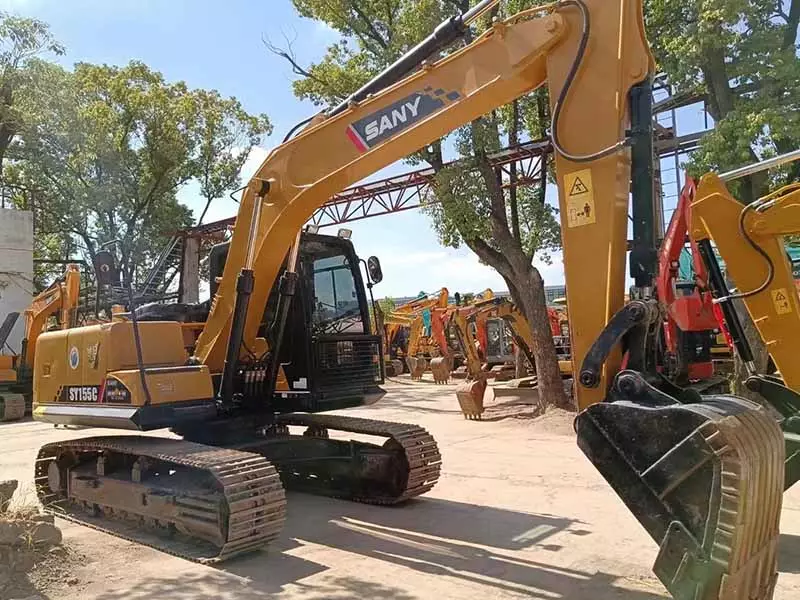
In its size class, the Caterpillar 320 excavator is a model of efficiency and fuel economy. For optimum performance and productivity on the job site, engineers and project managers rely on comprehensive CAT 320 excavator specs. This machine blends cutting-edge technology with strong power. It provides a low production cost per unit. It is therefore perfect for medium- to heavy-duty applications. In this post, Yongong Machinery will discuss the specs of CAT 320 excavators. 
CAT 320 Excavator Specifications: Power and Engine
The CAT 320’s strong and effective engine is its central component. The force required for demanding tasks is provided by the Cat C4.4 engine. It maintains performance while adhering to strict emission regulations. For contemporary engineering and construction projects, this balance is essential. The engine’s design prioritizes longevity and dependability. It also has features that lower maintenance needs and fuel consumption. Engine and hydraulic power are automatically adjusted by the power system to the digging conditions. This clever feature lowers operator effort and saves fuel.| Engine Specification | Metric | Imperial |
| Engine Model | Cat® C4.4 | Cat® C4.4 |
| Net Power – ISO 9249 | 128.5 kW | 172 hp |
| Gross Power – ISO 14396 | 129.4 kW | 174 hp |
| Bore | 105 mm | 4 in |
| Stroke | 127 mm | 5 in |
| Displacement | 4.4 L | 269 in³ |
| Emission Standards | EU Stage V / U.S. EPA Tier 4 Final | EU Stage V / U.S. EPA Tier 4 Final |
| Biodiesel Capability | Up to B20 | Up to B20 |
Important CAT 320 Excavator Details: Capabilities and Weights
The stability, portability, and operational uptime of an excavator are directly impacted by its weight and fluid capacities. The CAT 320 weighs a lot to operate. For deep excavation and heavy lifting, this weight offers a stable platform. Its service refill capabilities are made to last for long stretches of time. As a result, there is less downtime for fluid top-offs and refueling. For example, long shifts are made possible by the large fuel tank. A substantial amount of oil is stored in the hydraulic system. This guarantees steady performance even with high loads.| Weight & Capacity | Metric | Imperial |
| Operating Weight | 22,600 kg | 49,800 lb |
| Fuel Tank Capacity | 345 L | 91.1 gal (US) |
| Hydraulic System (Total) | 234 L | 61.8 gal (US) |
| Hydraulic Tank | 115 L | 30.4 gal (US) |
| Cooling System | 25 L | 6.6 gal (US) |
| Engine Oil | 15 L | 4 gal (US) |
| DEF Tank | 39 L | 10.3 gal (US) |
Sizes and Operating Ranges
The CAT 320’s operational footprint and versatility are defined by its physical dimensions and operating ranges. For site planning and application suitability, engineers need to take these values into account. Project execution depends on the machine’s reach. The conventional boom and stick arrangement offers a great mix of digging force and reach. But there are different options for boom and stick. Customization according to particular job requirements, like long-reach applications, is possible with these options. The swing radius of the compact tail is especially important. It keeps safety intact while enabling the machine to operate effectively in tight areas.| Parameter | Metric | Imperial |
| Standard Boom | Reach 5.7 m | Reach 18’8″ |
| Standard Stick | Reach 2.9 m | Reach 9’6″ |
| Maximum Digging Depth | 6720 mm | 22.0 ft |
| Maximum Reach at Ground Level | 9860 mm | 32.3 ft |
| Maximum Cutting Height | 9370 mm | 30.7 ft |
| Maximum Loading Height | 6490 mm | 21.3 ft |
| Shipping Length | 9530 mm | 31.3 ft |
| Shipping Height (Top of Cab) | 2960 mm | 9.7 ft |
| Transport Width (790 mm shoes) | 2980 mm | 9.8 ft |
| Tail Swing Radius | 2830 mm | 9.3 ft |
| Ground Clearance | 470 mm | 1.5 ft |
Related reading: CAT 320D and Volvo EC210B compared — specs, hydraulic performance, real-world pricing and maintenance costs compared side by side.
Upkeep and Effectiveness
The CAT 320 was created by Caterpillar with a 15% maintenance cost reduction in mind. It has synchronized and prolonged maintenance intervals. The hydraulic oil filter, for instance, needs to be changed every 3,000 hours. Compared to earlier designs, this is 50% longer. Another important advantage is fuel efficiency. Compared to the 320F, the machine uses up to 25% less fuel. This is accomplished by combining the standard Smart Mode, a large hydraulic pump, and a low-speed engine. In cold weather, hydraulic components are protected by the auto warm-up feature. In colder climates, it accelerates the warming of hydraulic oil. This guarantees that the machine is promptly operational while safeguarding critical systems. The CAT 320’s design places a high priority on safety. The machine cannot move beyond boundaries set by the operator thanks to the standard 2D E-Fence feature. By doing this, job site dangers like overhead obstructions and subterranean utilities are reduced. Standard features include rearview and right-sideview cameras. A full view of the machine is possible with an optional 360° visibility system. Ground level provides access to all daily maintenance locations. This removes the necessity of scaling the excavator to perform regular inspections. The cab offers a relaxing and effective setting. It has a seat that can be adjusted and consoles spaced widely apart. Features like a tip-up left console for simpler entry and exit are available in deluxe and premium cab options. The temperature is kept constant by automatic climate control. Compared to earlier models, viscous mounts greatly lessen cab vibration. Controlling machine operations and technological features is made simple by the standard high-resolution touchscreen monitor. 
Commonly Asked Questions
What is the CAT 320 excavator’s operating weight?
49,800 lb (22,600 kg) is the operating weight. The Reach boom, R2.9 stick, 1.56 yd³ bucket, and 31″ triple grouser shoes are the components that make up this weight.
The maximum depth that can be dug is 22 feet (6,720 mm). Because of this feature, it can be used for a variety of excavation jobs, such as foundation work and utility trenching. How is fuel efficiency increased by the CAT 320?
Compared to the CAT 320F model, it can save up to 25% on fuel consumption. This efficiency is the result of precisely combining Smart Mode technology, a large hydraulic pump, and low engine speed. Follow Us On YouTube.
Related Posts: The Role of Excavators in Waste and Recycling Operations Used CAT Mini Excavators Top Models to Consider Investing in Quality Used Excavator Equipment for Maximum ProfitsSpec sheets tell you what a machine can do; job conditions decide what it should do. Our 20-ton comparison sets these figures against the Komatsu PC200-8 to show where the CAT’s extra mass actually pays off.