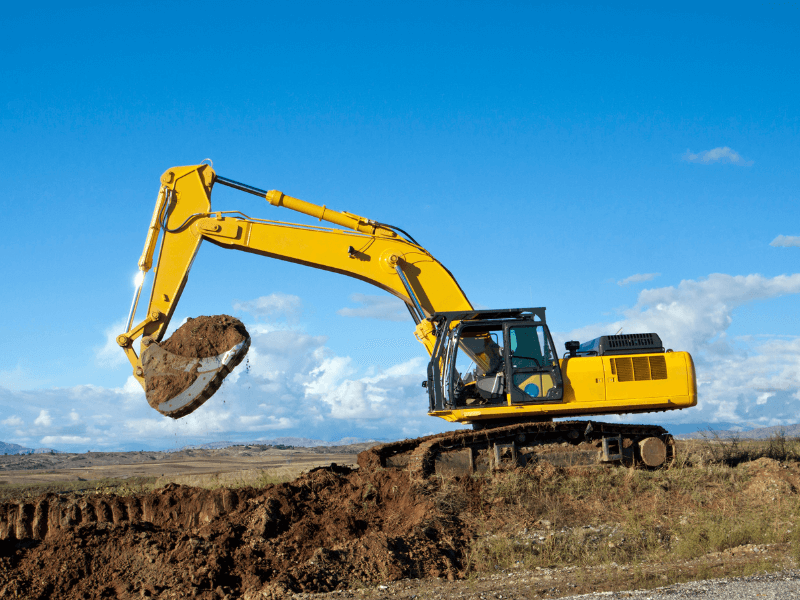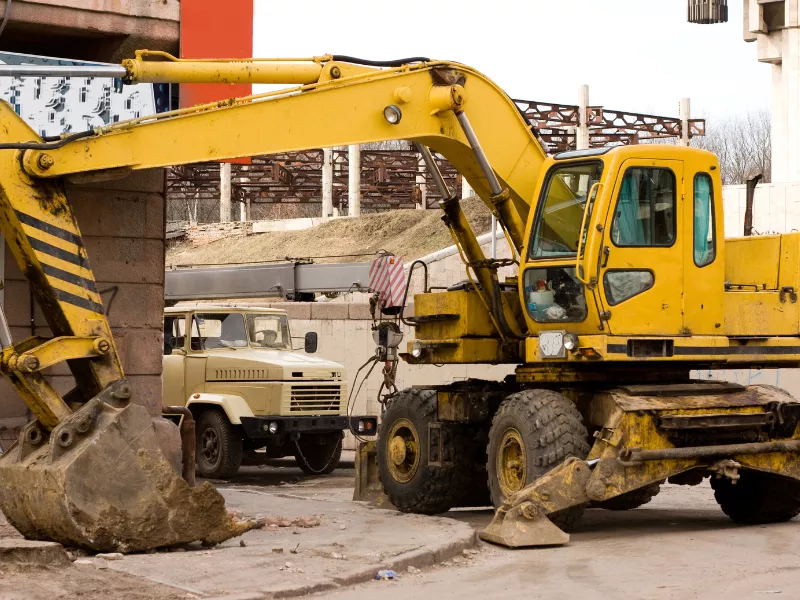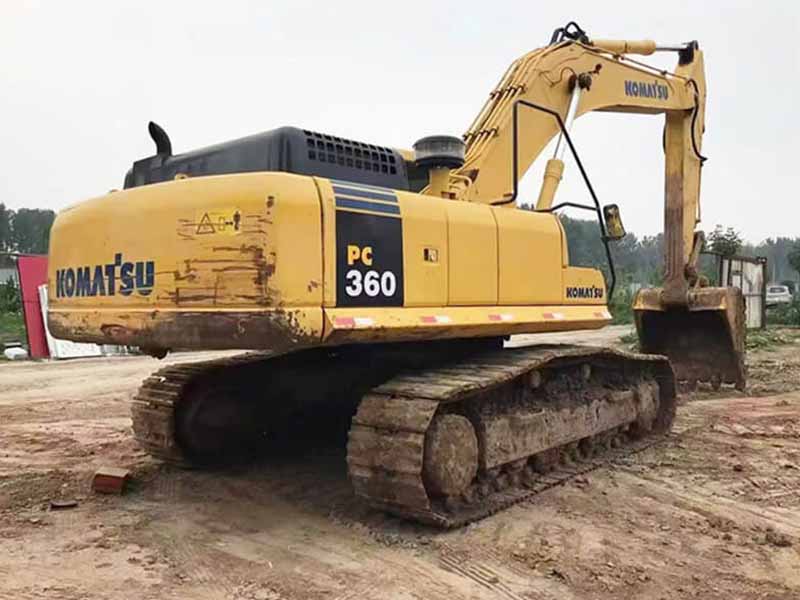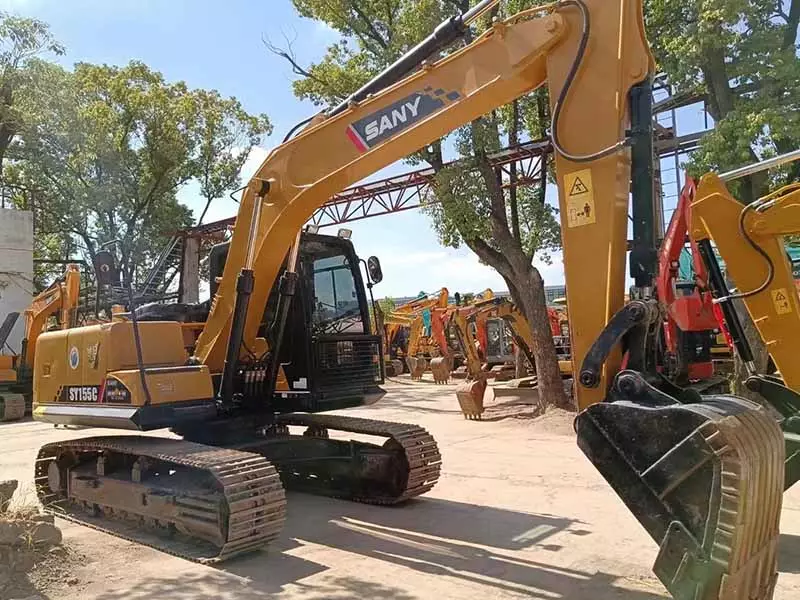
For construction and excavation operations to be optimized. This detailed tutorial covers how excavator hourly capacity is estimated, factors affecting excavator productivity per hour, and operator skill’s impact on efficiency. We’ll discuss excavator digging capacity, load capacity, and bucket size’s effect on performance. This article offers practical advice on excavator work rate and operating capacity to boost output and efficiency on any job site.

Factors Affecting the Hourly Capacity of an Excavator
Excavators’ digging and load capacities affect their hourly capacities. Load capacity keeps the excavator running smoothly without overworking, while digging capacity decides how much material the bucket can take in one cycle. Each affects excavator productivity per hour. If the load exceeds the machine’s capacity, a larger bucket may enhance output but cause mechanical strain and lower efficiency. Maintaining optimal excavator performance per hour requires balancing these capacities.
Terrain and weather affect excavator work rate. Softer ground makes digging easier, but uneven or rocky ground slows operations. Heavy rain or high heat can also affect equipment functionality and operator efficiency. Excavator operational capacity is maintained by equipment maintenance. Timely inspections and repairs prevent malfunctions and sustain output. Even under difficult situations, a well-lubricated excavator with clean filters will work better. Project managers can maximize the capacity of excavator per hour and get reliable results by addressing these parameters.
How is the Capacity of an Excavator Calculated Per Hour?
Calculating the capacity of excavator per hour is simple: bucket capacity times cycles per hour. If an excavator has a 1-cubic-meter bucket and cycles 30 times per hour, its hourly capacity is 30 cubic meters. This estimate is dependent on various factors. Loose earth is easier to handle than compacted or rocky terrain. Cycle efficiency is also affected by soil density. Additionally, operator efficiency affects hourly cycle count.
Accurate findings need equipment quality and operator skill. Well-maintained excavators function consistently, while experienced operators optimize cycle times and reduce spillage. If an untrained operator works the same excavator over dense soil, hourly capacity may decline dramatically. To effectively estimate excavator productivity per hour, several variables must be understood. Project managers can optimize excavator work rate by evaluating material type, soil density, and operator efficiency to maximize job site production and capacity.
What is the Average Bucket Capacity for Excavators?
Excavators’ bucket capacities vary greatly by size. Compact excavators have bucket capacities of 0.1 to 0.5 cubic meters. For versatility, mid-sized excavators have bucket capacity of 0.5 to 1.5 cubic meters. Heavy-duty excavators can handle large material quantities in less time with bucket capacity over 3 cubic meters. Bucket size affects excavator performance per hour since larger buckets handle more material.
Bucket size must match project needs to maximize excavator efficiency per hour. A compact excavator with a smaller bucket is perfect for precision tasks in tight spaces, while a mid-sized one is flexible for medium-scale activities. For mining and huge construction operations, giant excavators with high-capacity buckets are best. A large bucket on a small site might limit maneuverability and efficiency. Choosing the right bucket size lets project managers increase excavator work rate and maintain operating capacity across scenarios.
How Does Operator Skill Impact Excavator Productivity Per Hour?
Excavator productivity per hour is mostly dependent on operator expertise. Experienced operators can perform precise movements, improve cycle times, and reduce material spillage. For instance, trained operators position the bucket efficiently to maximize load capacity per cycle. They also swiftly adjust to site variables including uneven terrain and dense materials to maintain excavator performance per hour. Advanced training methods include limiting idle time and boosting digging accuracy enhance operator efficiency.
Bucket positioning and hydraulic system management increase excavator efficiency per hour. Professional operators maximize excavator output per hour and reduce equipment wear. An skilled operator of a mid-sized excavator can boost production by keeping a constant cycle and eliminating superfluous movements. Operators can avoid overloading and maintain excavator operational capacity by knowing the machine’s limits. Project managers can boost excavation efficiency and production by investing in operator training and hands-on experience.
Tips to Maximize Excavator Operational Capacity
Excavator operational capacity is maximized by choosing the proper machine. Small excavators are good for light work and narrow locations, while mid-sized ones are versatile for medium jobs. Mining and large-scale building benefit from huge excavators’ bucket capacities. Excavator size and bucket capacity should match project needs for best performance and to avoid underutilized or overburdened equipment.
Maintenance is also necessary for constant excavator performance per hour. Regular hydraulic, engine, and bucket wear inspections avoid breakdowns and maintain efficiency. Job site optimization boosts excavator productivity per hour. After cleaning debris and leveling the terrain, excavator work rates can increase. Material placement and operator paths should be planned to reduce unnecessary movements and ensure seamless operations. Project managers may maximize excavator efficiency per hour and ensure stable production across tasks by choosing the correct equipment.

Yonggong is a trusted supplier of used construction machinery, including CAT, Hitachi, Komatsu, Volvo, Hyundai, and Sany excavators. Our industry expertise, strict quality control, and customer-first approach ensure that every machine we deliver meets the highest performance and reliability standards. Our sturdy equipment and reliable after-sales service help you maximize excavator capacity per hour or tackle complex projects and our partnership will improve your operations and ensure long-term efficiency at every job site.
Follow Us On YouTube.
Related Posts:
Excavator Lifespan In Years Hourly Usage Limits