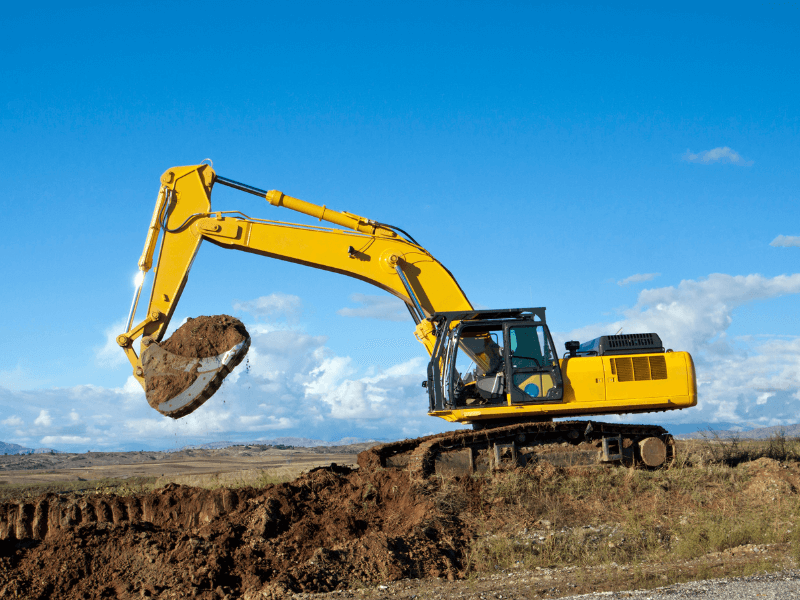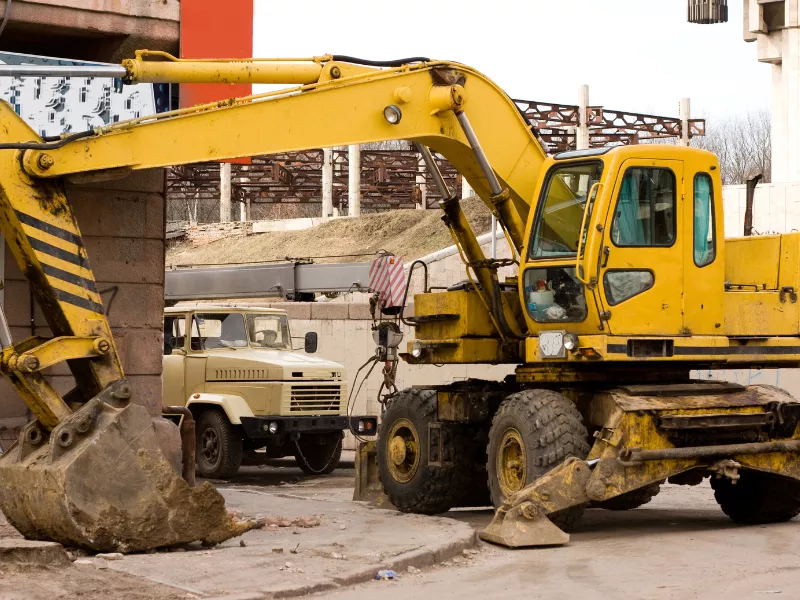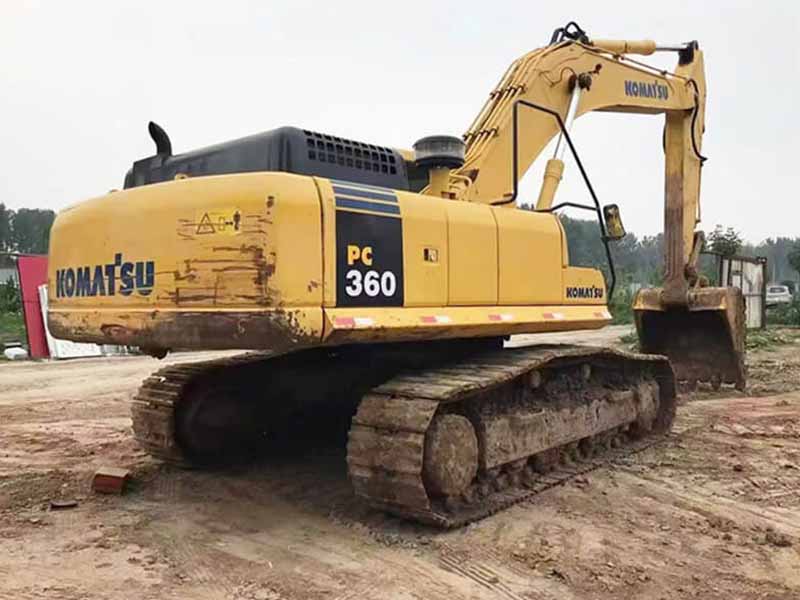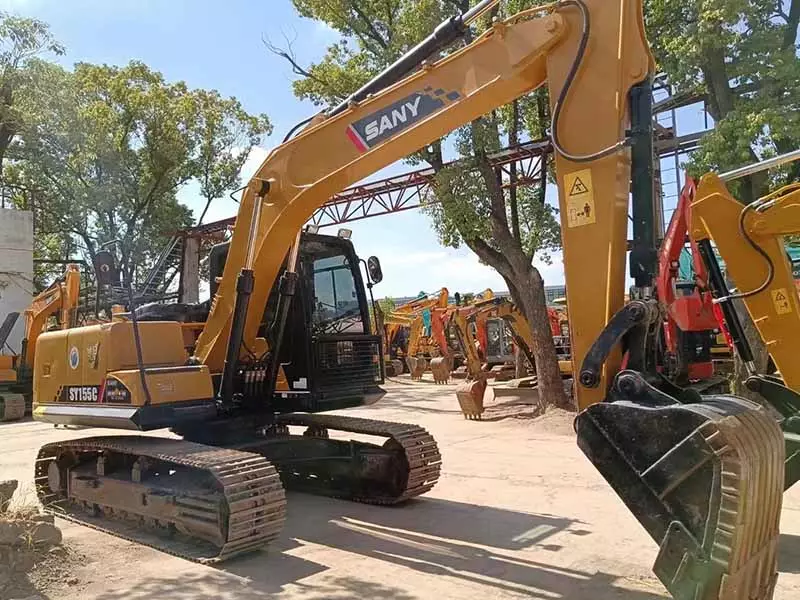
Understanding the capacity of excavator per hour is necessary for excavation project optimization. Knowing the components at play might help you calculate excavator output per hour or increase excavator productivity. This article, Yonggong covers excavation hourly capacity. How much material can an excavator transport each hour? The average excavator bucket capacity? Discover the keys of optimizing excavation work efficiency and excavator hourly production like a pro!

Calculating Excavator Hourly Capacity
Calculating the capacity of excavator per hour requires numerous parameters and a systematic manner. The excavator bucket capacity should be measured in cubic meters or yards. This decides how much material the excavator can scoop per cycle. Calculate the cycle time. The base capacity of excavator per hour can be determined using both measurements.
Multiply bucket capacity by average hourly cycles. If the bucket holds 1 cubic meter and the excavator cycles 30 times in 60 minutes, the hourly output is 30 cubic meters. To improve the estimate, consider soil density, material type, and equipment condition. It ensures correctness and project-specific data alignment.
At last, customize calculations using jobsite terrain and operator efficiency. Projects with tough soil may limit digging efficiency of excavators. Always review factors to adjust estimations for reality.
Excavator Hourly Capacity Factors
The capacity of excavator per hour depends on numerous elements that affect its productivity on a jobsite. The digging efficiency of excavators. Material density and moisture levels affect efficiency, thus changes are necessary for maximum performance. Skilled operators can run cycles faster and smoother.
Land condition matters too. Softer or well-prepared ground speeds operations, while uneven or rocky surfaces hinder them. Mechanical stress can reduce excavation productivity if the terrain is not adequately analyzed. Another important factor is excavation machine performance. Well-maintained equipment ensures regular cycle times and reduces mechanical failure downtime.
External factors such as weather and site circumstances affect the capacity of excavator per hour. These parameters and proper project planning can help operators sustain productivity and reliable hourly outputs under various conditions.
How Much Material Can an Excavator Move Per Hour?
Bucket size, cycle count, and material handled determine the capacity of excavator per hour. Bucket size affects how much material can be transferred per cycle. In ideal conditions, a 1-cubic-meter bucket cycling 30 times per hour would transport 30 cubic meters. Loose gravel versus compacted soil can also affect the excavator’s ease of operation.
Cycle count is also important for hourly output. Utilize the excavator bucket capacity and minimize spillage. However, inefficient handling can waste time and lower production.
Maintaining a clean jobsite and inspecting equipment for performance issues will improve material handling. Under changing project needs, these procedures optimize the capacity of excavator per hour to provide consistent and efficient output.
Excavator Bucket Capacity Average
Excavator bucket capacity varies by equipment size and use. Compact excavators have bucket capacities of 0.1 to 0.5 cubic meters. Buckets holding 0.5 to 1.5 cubic meters balance versatility and productivity in mid-sized machinery. To successfully handle bulk material in large-scale activities, big excavators might have bucket capacity of 4 cubic meters.
This bucket capacity difference affects excavation hourly capacity. Excavators with smaller bucket volumes can move less material per hour than those with larger buckets. Large machinery may squander resources and space on confined sites. The correct bucket size maximizes efficiency and productivity, affecting the capacity of excavator per hour. Understanding material kind is important also. Sand fills buckets better than denser or rocky items.
Excavator Size and Hourly Output
Excavator size affects the capacity of excavator per hour because larger machines produce more. First, smaller excavators with bucket capacity under 0.5 cubic meters are appropriate for narrow places and minor projects but can only carry so much material. Mid-sized excavators with buckets between 0.5 and 1.5 cubic meters are versatile and balanced for moderate-scale operations and more productive than tiny versions. However, huge excavators with buckets above 3 cubic meters can move massive amounts of material every hour.
Model-specific earthmoving equipment capacity also affects its capacity. Beyond bucket size, larger excavators use powerful engines and hydraulics to boost performance. However, large equipment on tiny sites might hamper maneuverability. The machine size must match the project scale and location conditions.
Project requirements like material density and terrain complexity also matter. The hourly output of excavator activities is improved by larger excavators. Optimizing excavator size for project factors maximizes efficiency.
Work Efficiency Tips for Excavators
The capacity of excavator per hour and overall jobsite productivity must be maximized by improving excavation work efficiency. First, choose the right tools. Bucket size and design should match the material being mined for smoother operations and less machine strain. Advanced excavator attachments like hydraulic thumbs or quick couplers speed up digging and material handling.
Training operators is key to increasing productivity. Skilled operators can control cycle times, move precisely, and maximize excavator performance. Regular training programs should stress approaches that reduce idle time and improve digging efficiency of excavators, particularly on difficult sites. Strategy bucket positioning instruction during excavation can reduce material leakage and save time.
At last, regular equipment maintenance boosts performance and cuts downtime. Inspections should cover hydraulics, engines, and bucket wear. Crews can maintain the capacity of excavator per hour and maintain a constant workload by swiftly addressing any difficulties and maintaining the machine in top shape. Together, these efforts improve excavation efficiency and reliability.

The capacity of excavator per hour is vital for optimizing your excavation projects. To take your projects to the next level, consider purchasing a used excavator from Yonggong. Offering expert guidance and a diverse selection of high-quality machines from trusted brands, Yonggong stands out as a reliable partner for your equipment needs. With the high quality, durability, and customer satisfaction, we are the perfect choice to support your success in excavation projects. Trust Yonggong to provide efficient, dependable tools tailored to your goals.
Follow Us On YouTube.
Related Posts:
Excavator Types of Buckets 7 Durable Designs for Any Terrain
Excavator Bucket Capacity : How Much Do You Know
Lifting Capacity of Excavators 6 Secrets to Boost Efficiency